

In the vast world of Old School RuneScape, woodcutting isn’t just a skill; it’s a rite of passage for adventurers. Whether you’re dreaming of stacking logs like a lumberjack on steroids or simply looking to fill your bank with those sweet, sweet GP, mastering woodcutting can be both fun and profitable.
Overview of OSRS Woodcutting
Woodcutting serves as a fundamental skill in Old School RuneScape (OSRS). Players often view it as a rite of passage, essential for various game activities. This skill involves chopping down trees to acquire logs, vital for crafting and construction.
Multiple tree types exist, each offering distinct advantages. For example, normal trees provide basic logs suitable for beginners, while oak and willow trees yield more valuable resources. Moreover, higher-level trees unlock opportunities for increased experience points (XP) and more lucrative logs.
Training woodcutting efficiently relies on understanding locations and tree respawn rates. Specific areas like the Varrock outskirts or the Grand Tree provide favorable spots for players to maximize their woodcutting. Trees in these locations respawn quickly, ensuring uninterrupted training sessions.
Players utilize various tools, starting with bronze axes for beginners. As they level up, access to better axes enhances their cutting speed. Higher-tier axes, like the rune axe, significantly reduce the time taken to chop trees, increasing overall productivity.
Woodcutting also contributes to in-game currency (GP) generation. Selling logs to other players or using them for firemaking can be profitable. Certain trees, like yews and magic trees, offer particularly high returns, making them preferable targets for dedicated woodcutters.
Training woodcutting can be both enjoyable and rewarding. Engaging in this skill not only helps players progress in their OSRS journey but also enhances their overall gaming experience.
Getting Started with Woodcutting
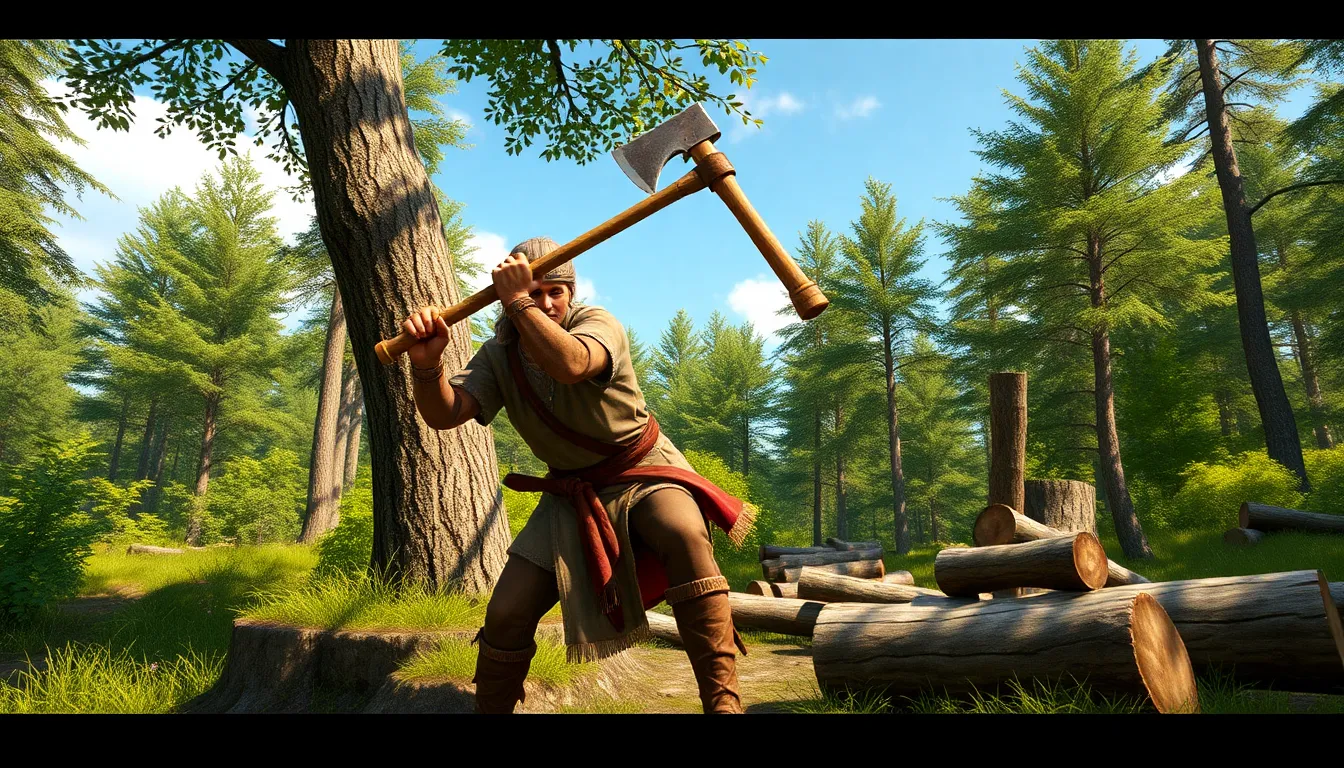
Woodcutting serves as an essential skill in Old School RuneScape (OSRS). Understanding its basics sets a strong foundation for successful training.
Required Skills and Levels
Players begin their woodcutting journey at level 1. Skills increase with experience points gained from chopping trees. Basic trees like normal and oak trees provide initial XP. By cutting higher-level trees, such as willow and yew, players unlock additional experience and valuable resources. Achieving level 15 opens opportunities for willow trees, while level 30 enables access to yews. Higher levels lead to more efficient methods and increased profit, contributing significantly to gameplay.
Essential Gear and Inventory
Starting off, players require a bronze axe. A higher-tier axe enables faster log gathering. Progressing through the game allows players to obtain a steel axe, then iron and so forth up to a rune axe. Inventory management is crucial, as carrying enough space for logs maximizes efficiency. Using noted logs significantly simplifies travel and storage. It’s advisable to gear up with food and potions to maximize woodcutting efficiency, especially in areas with aggressive creatures. Proper gear enhances productivity in woodcutting, leading to greater overall success.
Best Locations for Woodcutting
Identifying the best locations for woodcutting enhances efficiency and experience gain in OSRS. Accessing optimal tree spots saves time and maximizes resources for players.
Trees to Cut at Lower Levels
New players start with normal trees and oak trees, which provide essential experience points. Normal trees, found near starting areas, allow players to familiarize themselves with woodcutting mechanics. Oak trees appear near key locations like Varrock and Draynor Village, offering better XP from level 15 onwards. Chopping these trees yields logs needed for crafting and firemaking. In particular, a bronze axe suffices at this stage, ensuring smooth log collection.
Trees for Intermediate Woodcutting
Intermediate players benefit from willow trees and maple trees, which provide higher experience rates. Willow trees can be found in places like Draynor Village and the area south of Lumbridge. Chopping willows grants faster XP, and players often see significant experience gains from level 30. Maple trees, accessible at level 45, are primarily located at the Woodcutting Guild and can net players valuable logs. An iron axe is recommended to speed up the woodcutting process and improve inventory management.
High-Level Woodcutting Locations
High-level players should target yew trees and magic trees for optimal experience and profit. Yew trees, located in places like Edgeville and the Varrock area, yield valuable logs useful for both firemaking and fletching. Players can start chopping yews at level 60, experiencing increased GP flow. Magic trees become available at level 75, with locations like the Magic Guild providing lucrative opportunities. These high-value trees offer substantial experience and financial rewards, appealing to seasoned woodcutters seeking economic advantages.
Training Methods and Techniques
Woodcutting in OSRS can be optimized through various effective methods and strategies. Players can enhance their training experience by understanding the different techniques available.
AFK Woodcutting Strategies
AFK (Away From Keyboard) strategies allow players to train woodcutting with minimal effort. Using specific gear like rune or dragon axes enables faster chopping rates. Players can also equip items that boost their experience gain, such as the Lumberjack outfit or bonus XP lamps. Chopping regular trees near the Lumbridge area serves as an excellent starting point for new players looking to AFK. Setting up a script to auto-attack low-level trees minimizes interruptions, providing a seamless experience. Additionally, players can take advantage of regular breaks to optimize gameplay without losing significant XP.
Optimal Experience Rates
Achieving optimal experience rates while woodcutting requires targeted approaches. Players can maximize XP by focusing on specific tree types. Yews provide high experience rates of about 1,240 XP per log, making them ideal for levels 60 and above. Magic trees yield approximately 2,100 XP per log but require level 75 to chop. Rotating between various tree locations, like the Sawmill or Mage Training Arena, enhances efficiency. Utilizing tree respawn mechanics also contributes to better experience rates. In competitive zones, consistently monitoring high-traffic areas helps secure prime woodcutting spots.
Benefits of Woodcutting in OSRS
Woodcutting offers multiple advantages for players in Old School RuneScape. Not only does it enhance skills, but it also contributes to financial growth within the game.
Crafting and Fletching Materials
Woodcutting provides valuable resources for crafting and fletching. Players gather logs that are essential for creating various items, such as bows, arrows, and furniture. Normal trees and oaks yield basic logs, while willows and yews are crucial for crafting high-level items. Magic trees offer rare logs, used in advanced crafting activities. Each log type serves specific purposes, allowing players to diversify their in-game skills. With experience gained from crafting and fletching, players can increase their proficiency, unlocking additional opportunities and rewards.
Profits from Woodcutting
Profits from woodcutting vary by tree type. Yew and magic trees generate significant GP when sold, appealing to players seeking wealth. Logs from yew trees fetch around 500 GP each, while magic logs can sell for approximately 1,200 GP. Players benefit financially by focusing on high-level trees as they progress through the game. Selling logs or using them for firemaking is an effective way to increase profits. Ultimately, woodcutting proves to be an excellent source of income, especially for those who invest time into training and strategizing.
Woodcutting in OSRS is more than just a skill; it’s a pathway to adventure and profit. Players can enjoy the thrill of gathering resources while simultaneously enhancing their gameplay experience. By mastering tree types and efficient training methods, they can unlock higher experience rates and financial rewards.
Focusing on high-value trees like yews and magic trees allows players to maximize their gains. With the right gear and strategies in place, woodcutting becomes a rewarding endeavor that contributes significantly to a player’s success in the game. Embracing this skill not only enriches their journey but also opens doors to crafting and fletching opportunities.