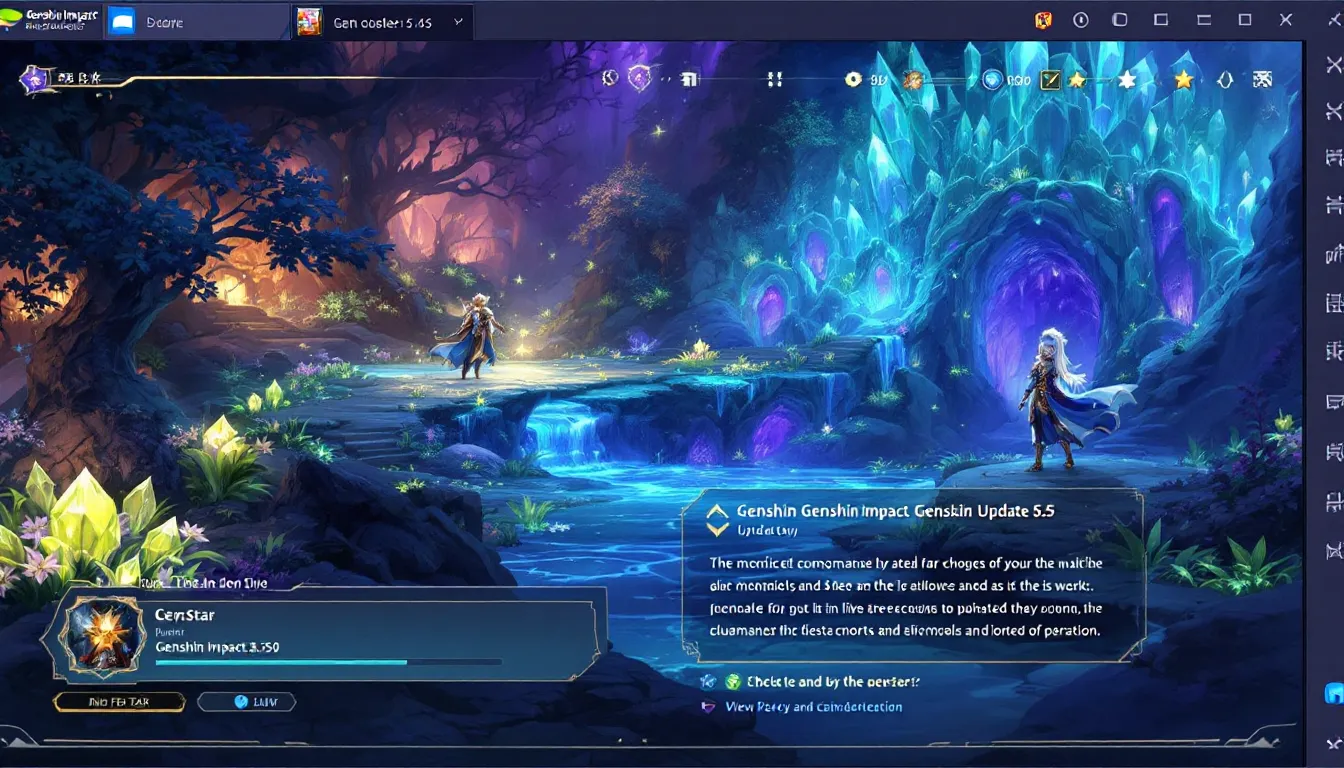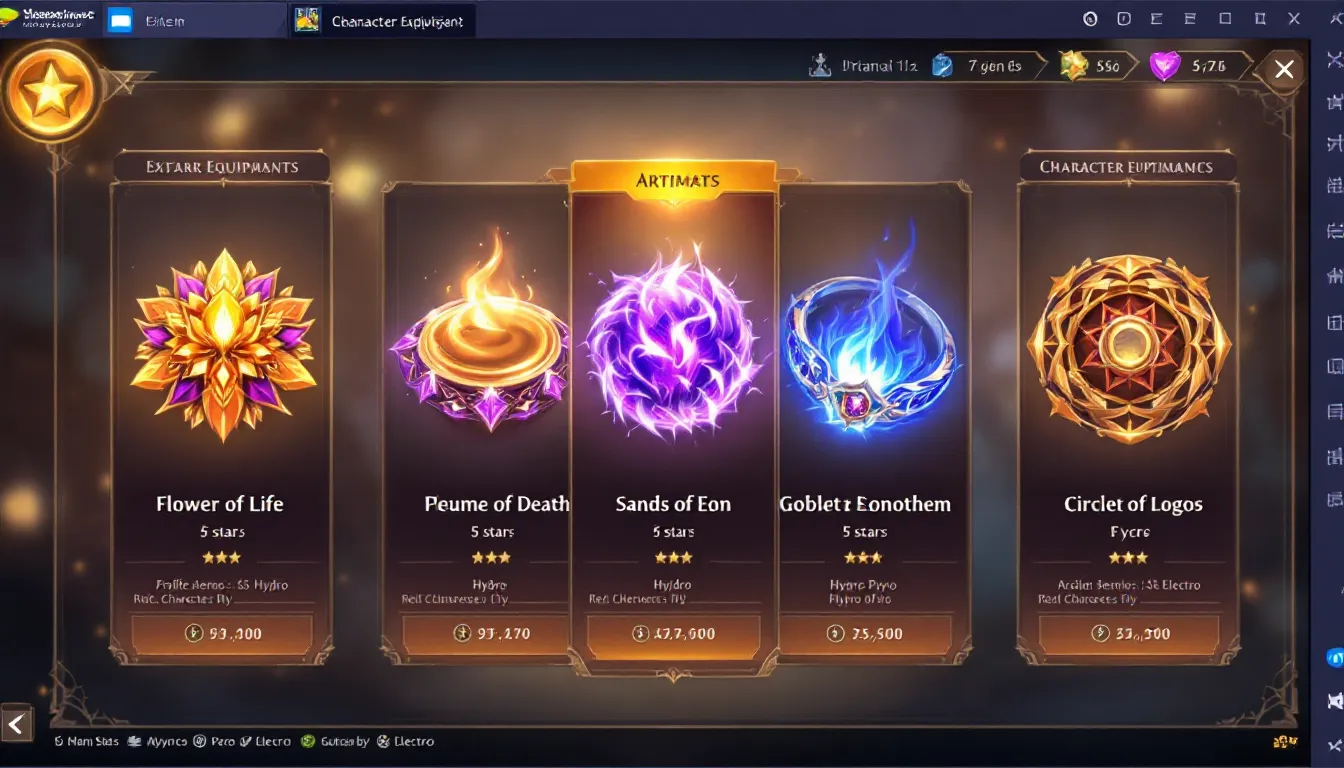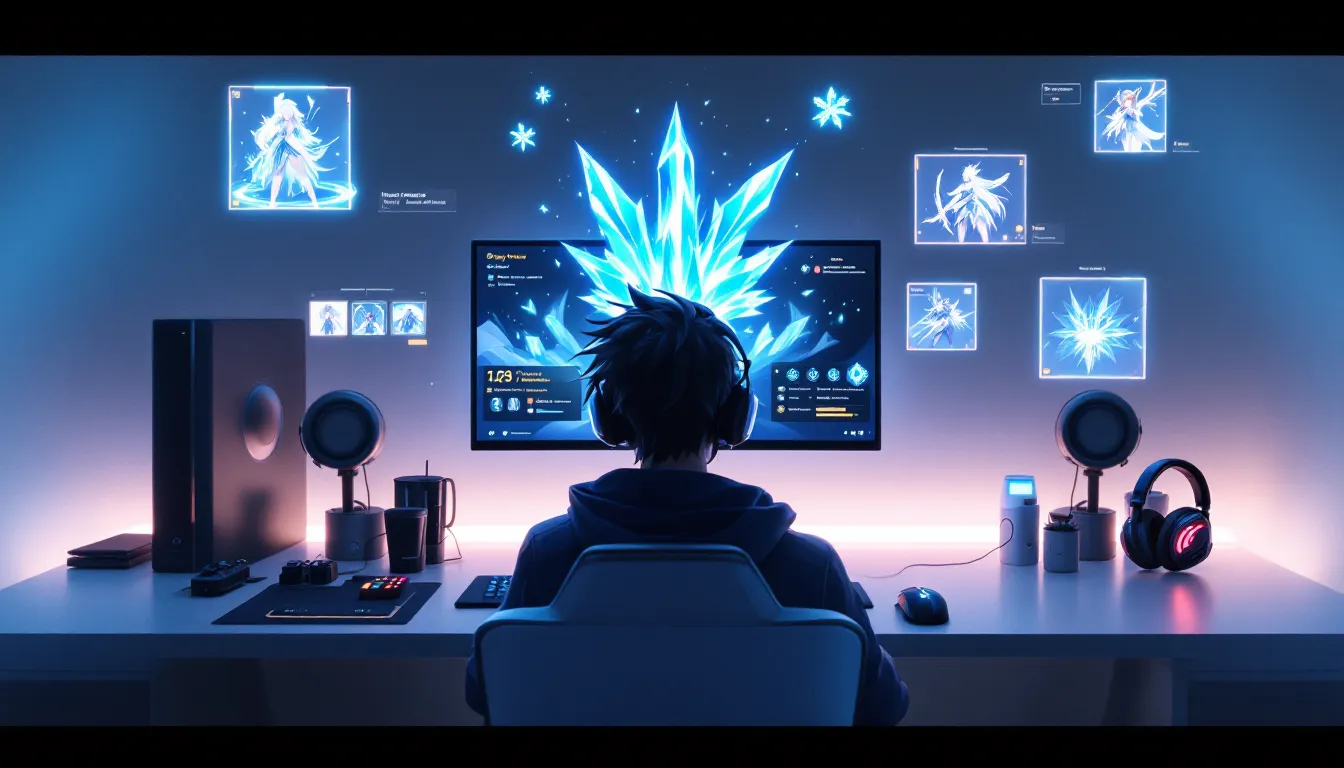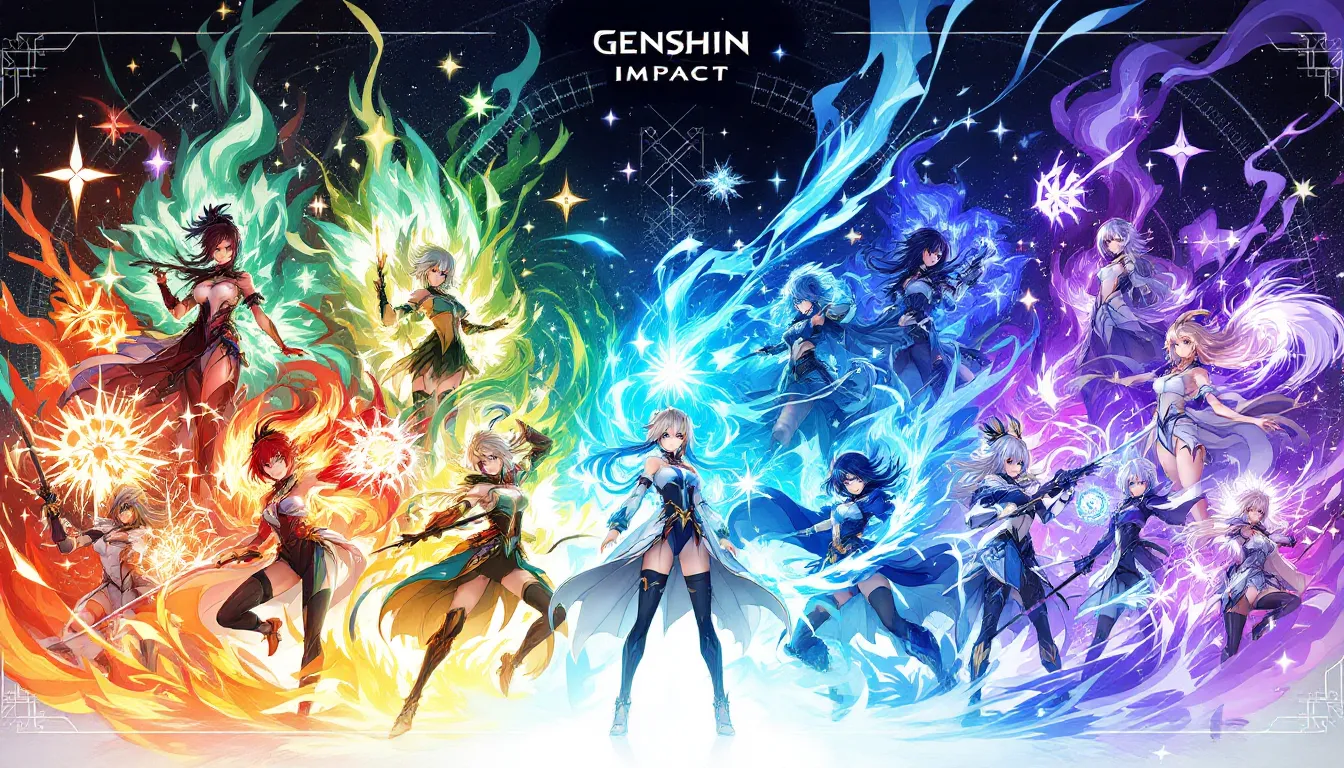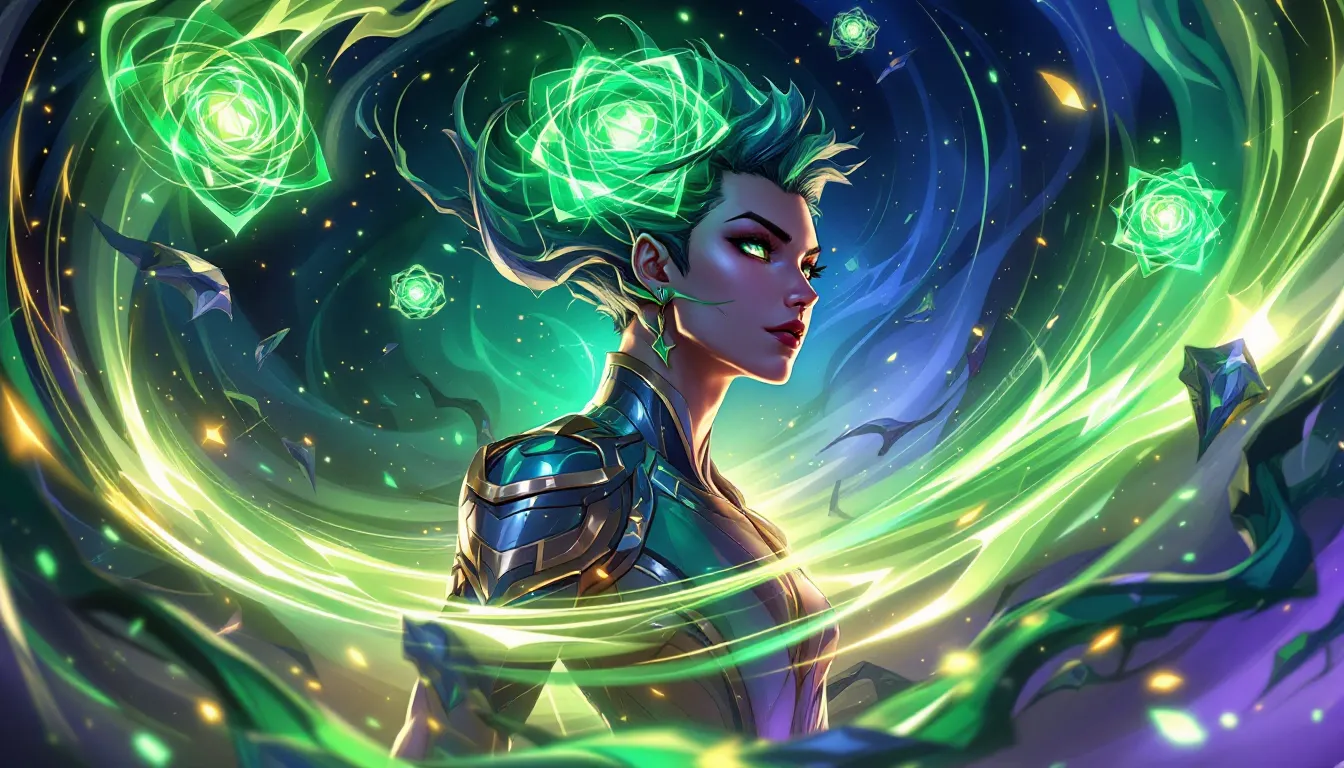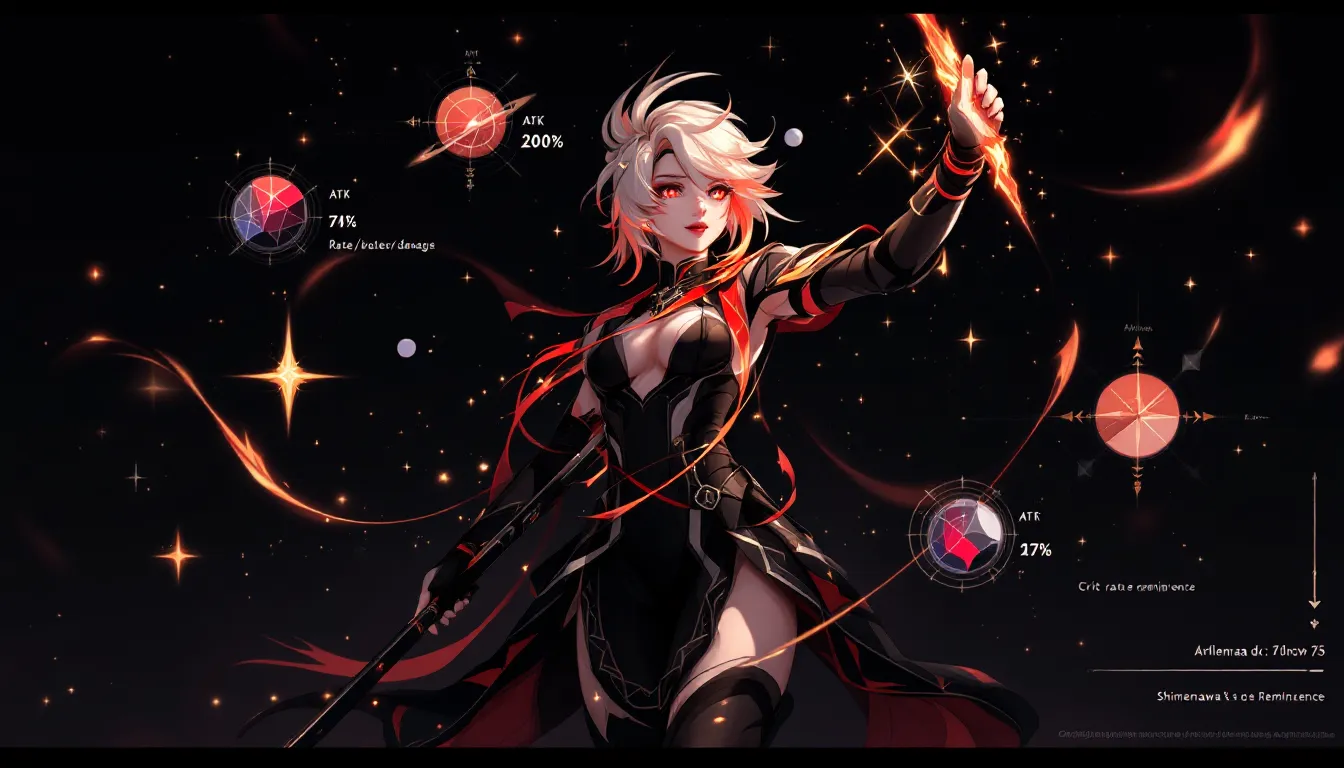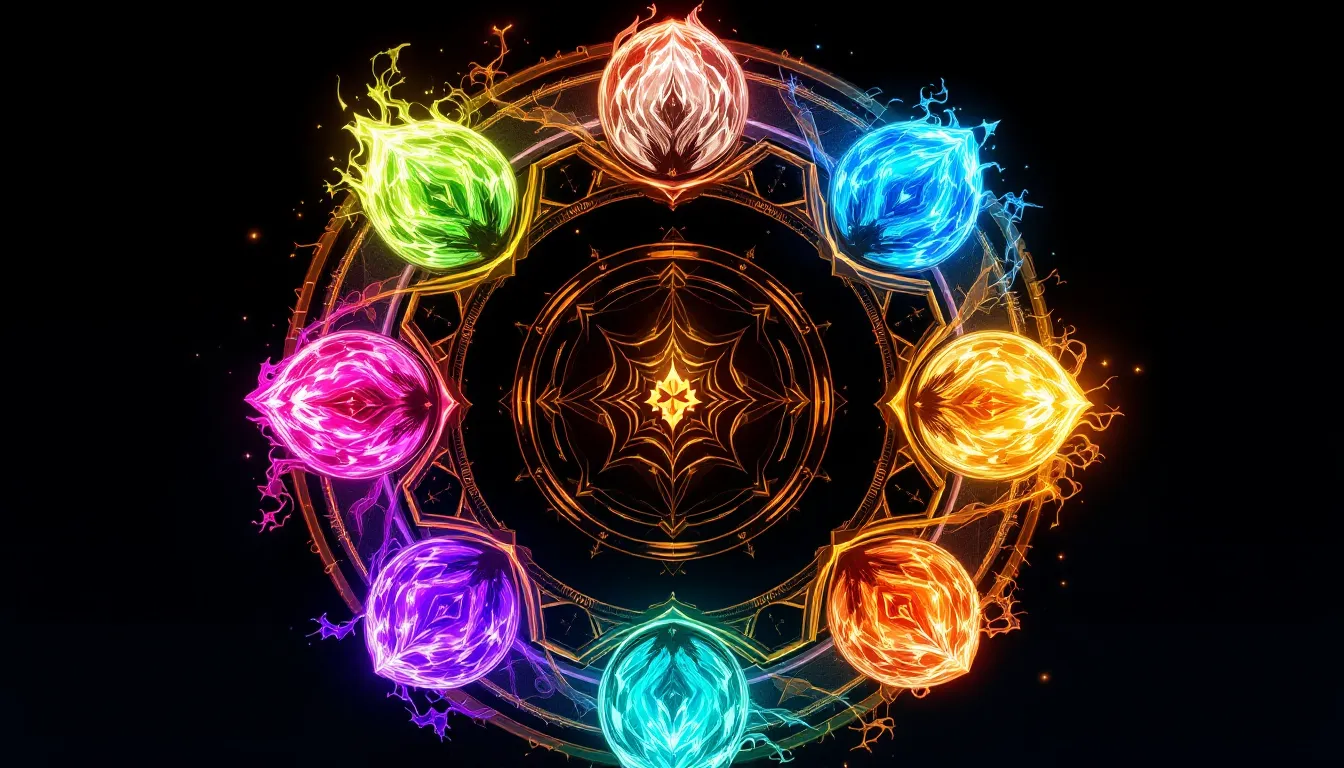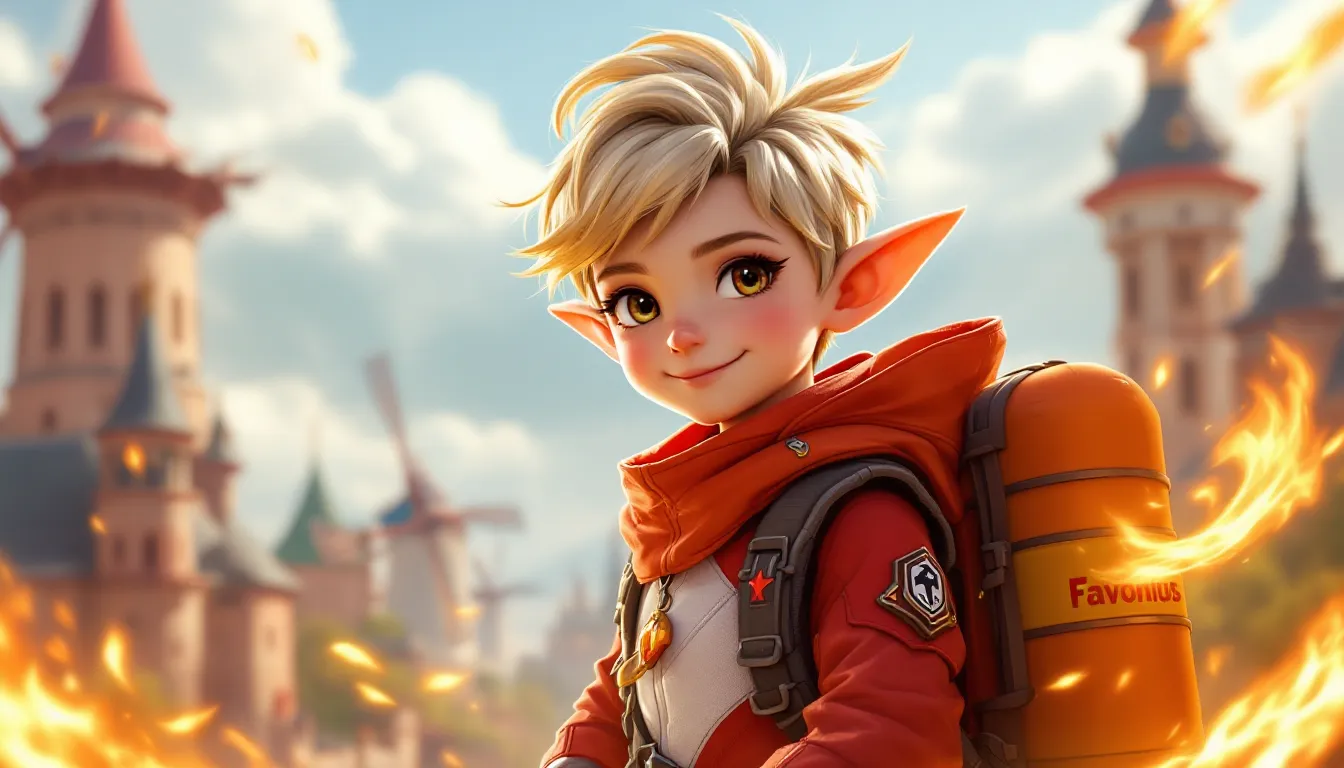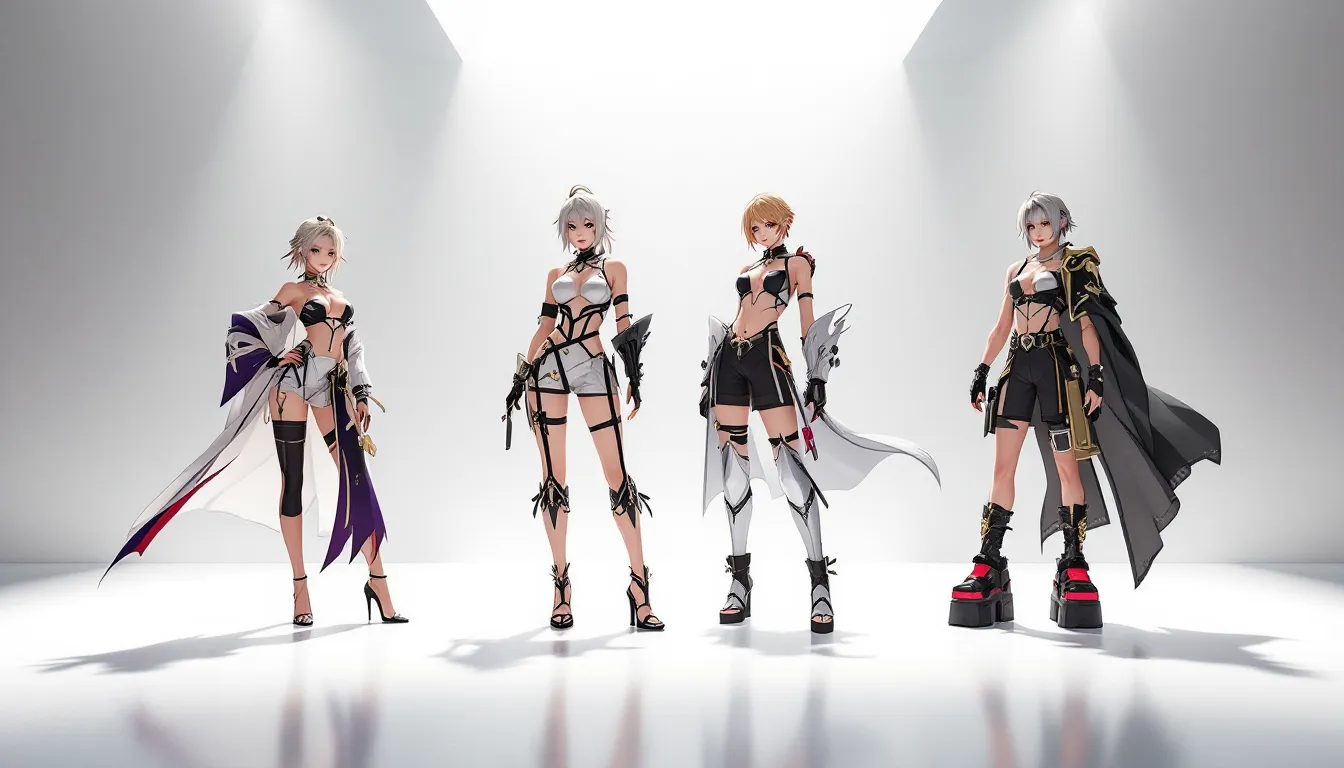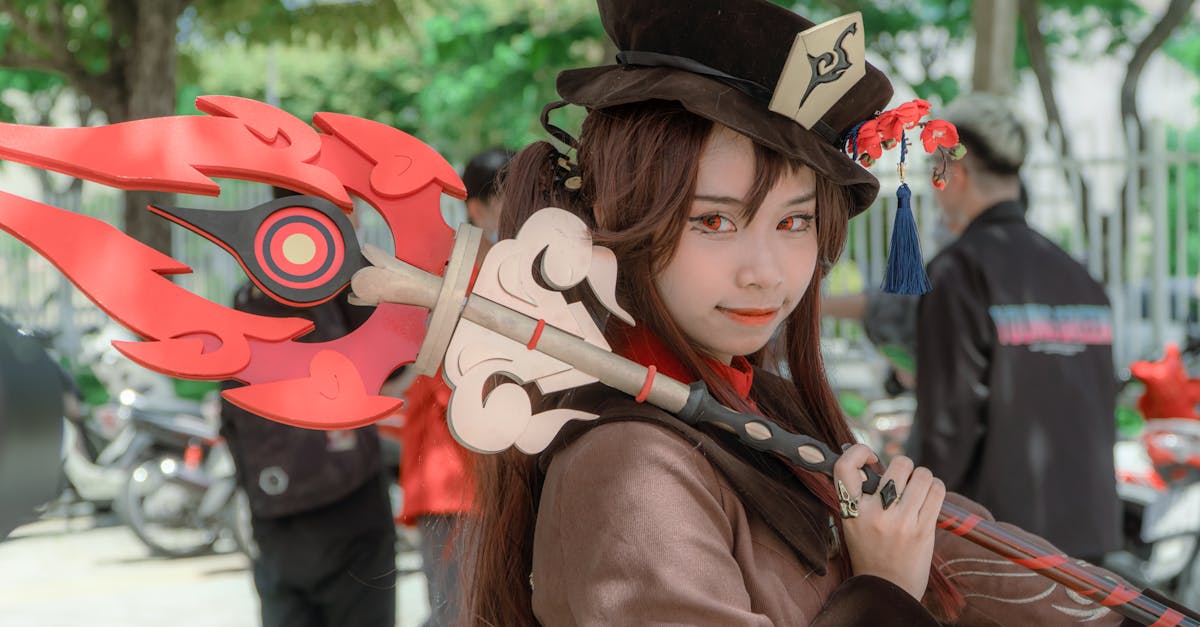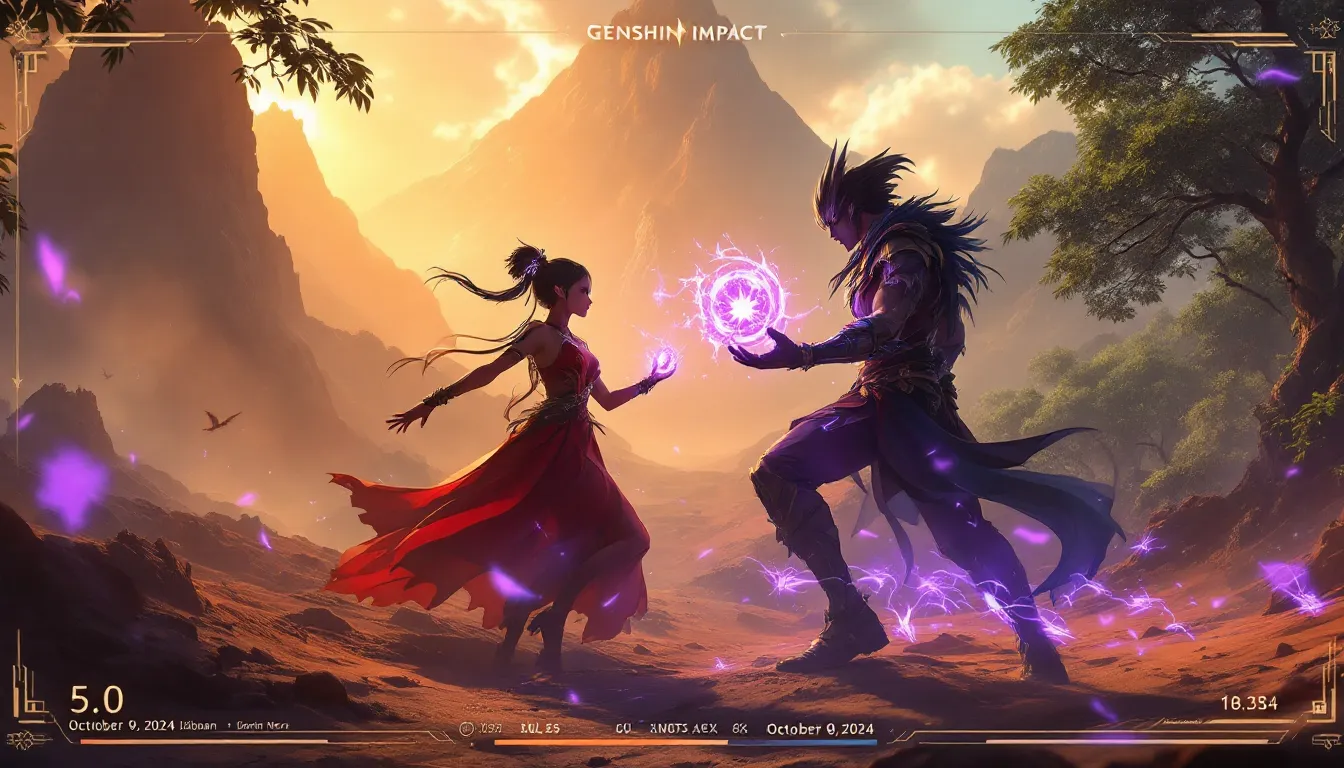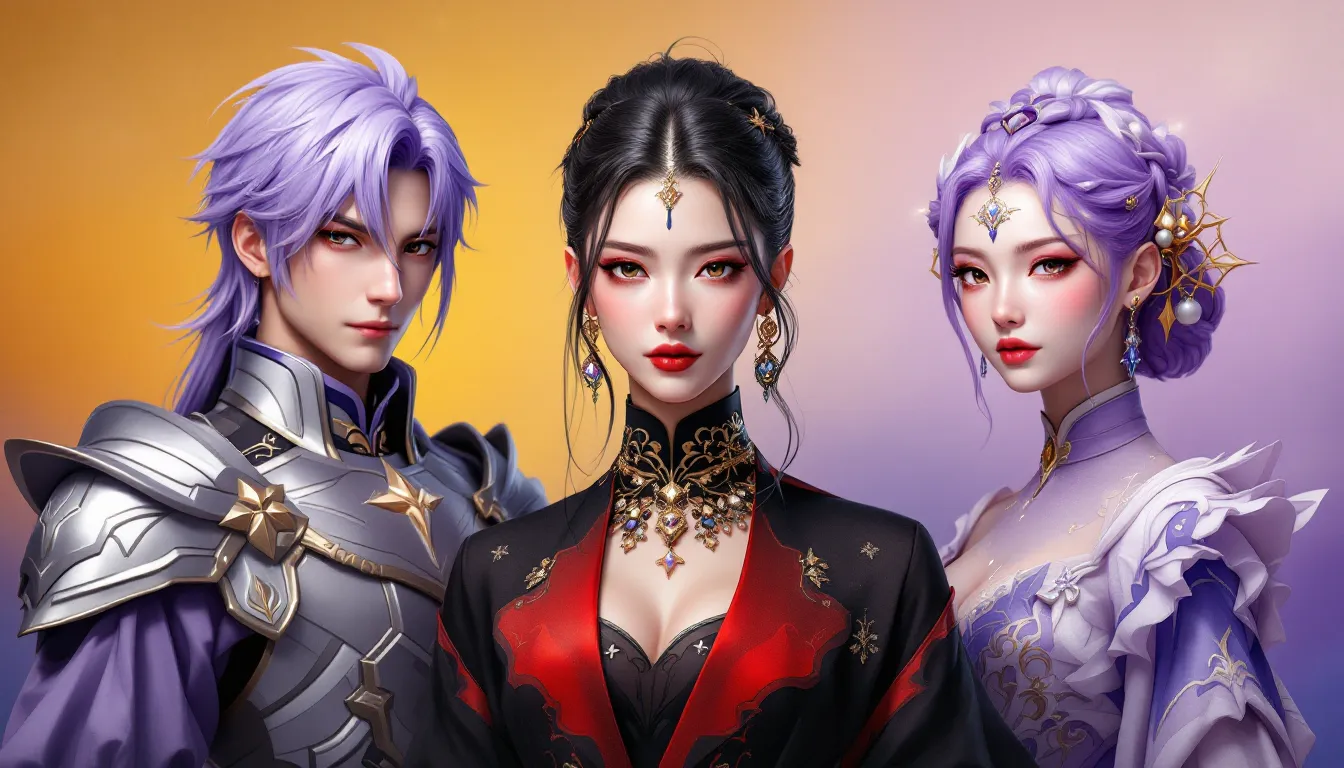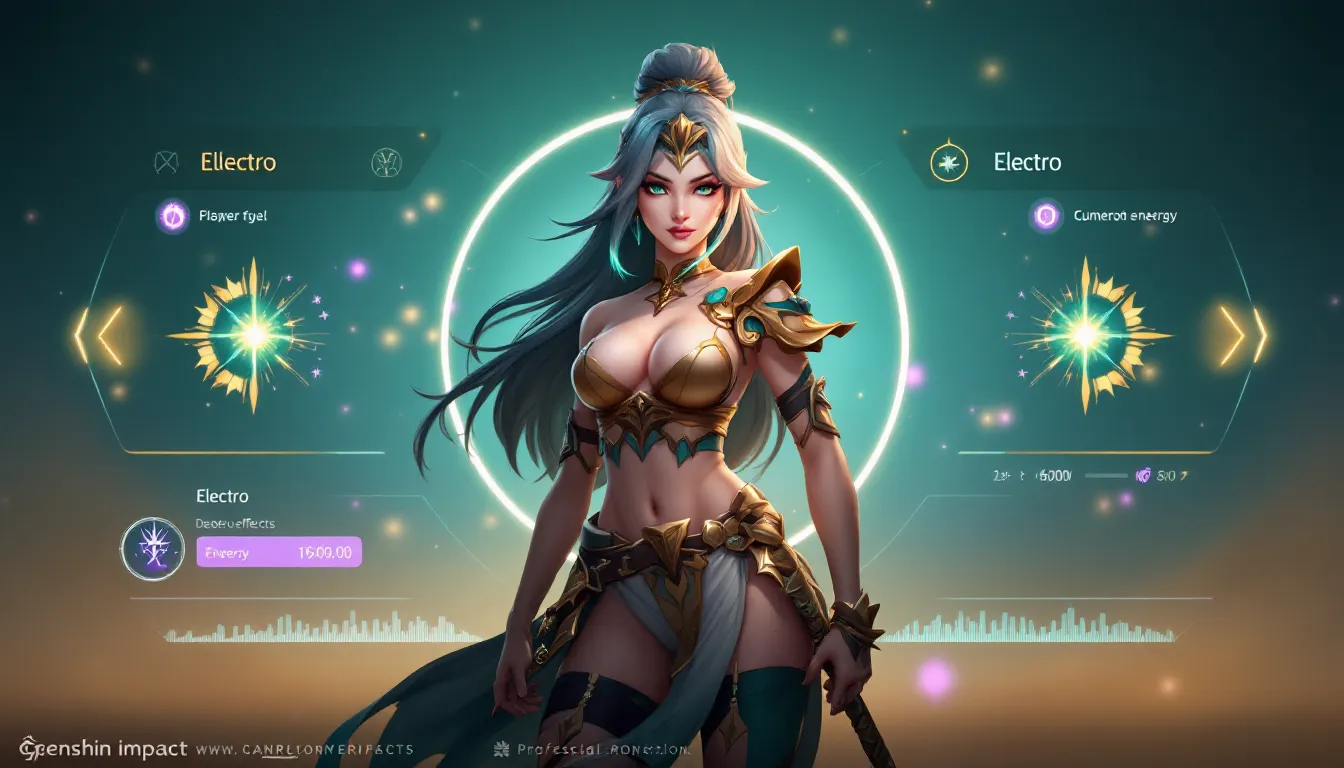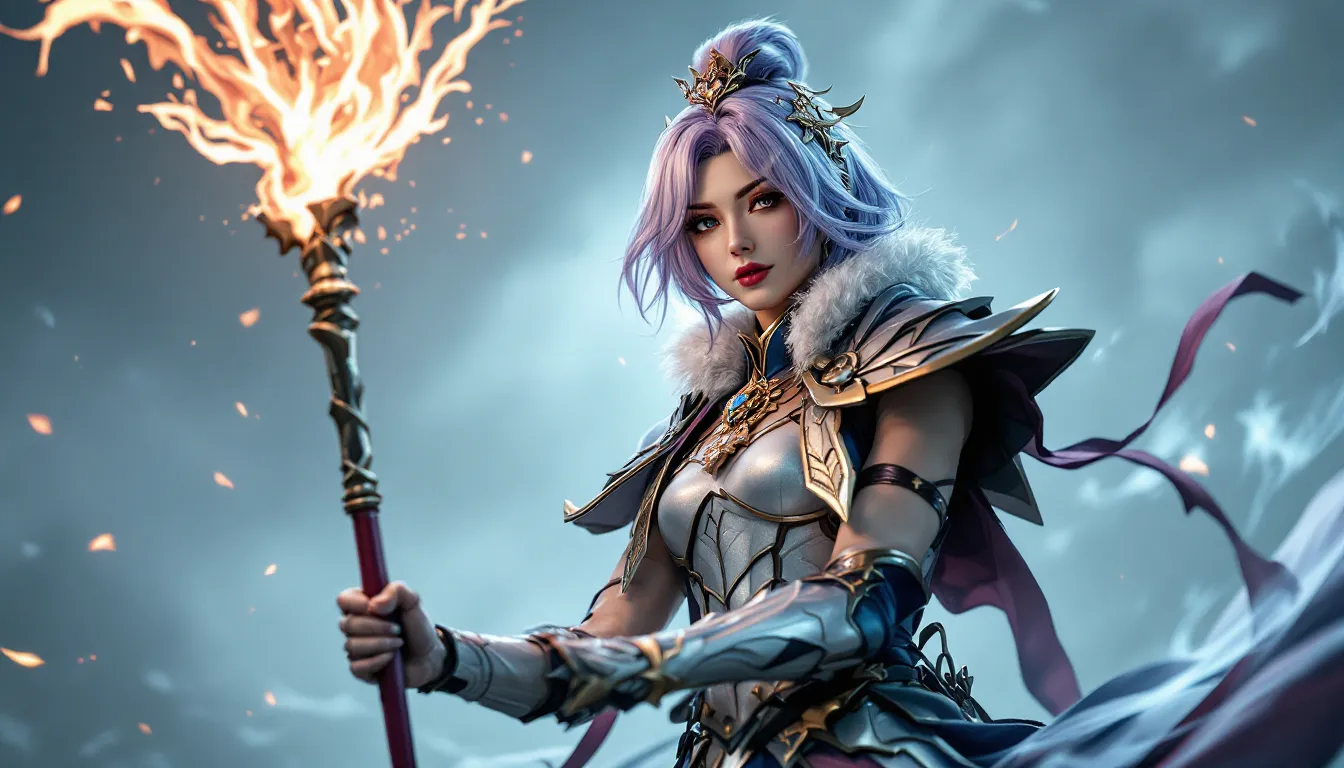

Walk into any gaming convention, browse Reddit’s Genshin Impact community, or scroll through social media, and you’ll find the same recurring sentiment: Genshin Impact is gorgeous. But that jaw-dropping visual polish doesn’t happen by accident. Behind every character, weapon, and region you explore lies a meticulous concept art process that’s become the gold standard for free-to-play games. HoYoverse (formerly miHoYo) has mastered the art of turning 2D concept sketches into 3D masterpieces that feel both anime-inspired and AAA-polished. This article breaks down exactly how Genshin Impact’s concept art drives the game’s visual identity, from initial character sketches to the environmental design that makes Teyvat feel alive. Key Takeaways Genshin Impact’s concept art process creates a hybrid aesthetic that blends anime-inspired proportions with AAA production quality, setting the visual standard for free-to-play games. Each character’s concept art communicates multiple design layers—element, region, weapon type, and narrative role—instantly through intentional color theory, silhouette design, and cultural references. Regional concept art drives world-building immersion by translating real-world cultural inspirations (Chinese architecture in Liyue, Japanese design in Inazuma, Renaissance themes in Fontaine) through Genshin’s cohesive visual language. Weapon and artifact concept art go beyond aesthetics; they reinforce character identity, support gameplay readability, and tell
A solid RuneScape guide can save new players dozens of hours of confusion. This massively multiplayer online game has captivated millions since 2001, and it

RuneScape tools have become essential for players who want to maximize their gameplay experience. Whether someone is grinding skills, flipping items on the Grand Exchange,
RuneScape strategies separate casual players from those who truly master the game. Whether someone is returning after years away or starting fresh in Gielinor, understanding
RuneScape has shaped online gaming for over two decades. This browser-based MMORPG launched in 2001 and quickly became a cultural phenomenon. Millions of players have

RuneScape for beginners can feel overwhelming at first. The game offers hundreds of quests, dozens of skills, and a massive open world. Millions of players
Top RuneScape players know the game rewards preparation, smart grinding, and strategic thinking. Whether someone is returning after years away or pushing toward end-game content,