
Genshin Impact examples showcase why this open-world RPG continues to dominate the gaming landscape. Since its 2020 release, HoYoverse’s flagship title has set new standards for free-to-play games through its combat systems, world design, and storytelling. Players across the globe have spent countless hours exploring Teyvat, experimenting with elemental reactions, and building powerful teams.
This guide breaks down the best Genshin Impact examples across multiple gameplay categories. From explosive elemental combos to clever character builds, these examples demonstrate what makes the game so addictive. Whether someone is a new traveler or a seasoned veteran, understanding these examples helps players get more from their time in Teyvat.
Table of Contents
ToggleKey Takeaways
- Genshin Impact examples of elemental reactions like Vaporize, Melt, and Swirl demonstrate how mastering combat synergy can yield massive damage numbers.
- Team archetypes such as the National Team, Freeze teams, and Hypercarry builds show how strategic party composition maximizes both free-to-play and premium rosters.
- Each of Teyvat’s regions offers unique exploration mechanics, from Mondstadt’s wind currents to Fontaine’s underwater discoveries, keeping gameplay fresh across updates.
- Character builds require role-specific stat priorities—main DPS characters need Crit stats while supports benefit more from Energy Recharge and utility-focused gear.
- Genshin Impact examples of storytelling shine in world quests and Archon Quests, delivering emotional narratives that rival traditional single-player RPGs.
- Understanding these gameplay examples helps both new travelers and veterans get more value from their time exploring Teyvat.
Combat and Elemental Reaction Examples
Genshin Impact examples of combat excellence start with the elemental reaction system. This core mechanic separates it from other action RPGs. Seven elements, Pyro, Hydro, Electro, Cryo, Dendro, Anemo, and Geo, interact to create devastating effects.
The Vaporize reaction stands as one of the strongest Genshin Impact examples of damage multiplication. When Pyro meets Hydro (or vice versa), the resulting attack deals 1.5x or 2x damage. Players often use Xingqiu’s Hydro application with Hu Tao’s Pyro attacks to trigger massive Vaporize hits. A single charged attack can deal over 100,000 damage with proper setup.
Melt reactions offer similar power. Ganyu’s Cryo arrows hitting enemies affected by Bennett’s Pyro burst create huge Melt damage numbers. This combination demonstrates how Genshin Impact examples of elemental synergy reward players who understand the system.
Swirl reactions show different strengths. Anemo characters like Kazuha or Venti absorb other elements and spread them across multiple enemies. A single Kazuha skill can Swirl Pyro to ten enemies simultaneously, triggering chain reactions throughout a crowd.
Newer Genshin Impact examples feature Dendro reactions. Bloom creates seeds that explode for damage. Quicken boosts Electro and Dendro damage. Burning deals continuous Pyro damage. These additions expanded combat possibilities significantly since version 3.0.
Team Composition Examples
Strong Genshin Impact examples of team building follow established archetypes. Each archetype serves different playstyles and content types.
The National Team remains one of the most famous Genshin Impact examples. It uses Xiangling, Bennett, Xingqiu, and a flex slot (often Raiden Shogun). This team costs zero wishes if players use the free characters. Bennett provides healing and attack buffs. Xingqiu applies Hydro consistently. Xiangling’s burst triggers constant Vaporize reactions. The team clears Spiral Abyss floors that challenge even five-star heavy rosters.
Freeze teams offer another approach. Ayaka, Shenhe, Kokomi, and Kazuha form a popular example. Hydro application from Kokomi keeps enemies frozen. Ayaka’s burst shatters frozen targets for massive Cryo damage. Kazuha groups enemies and shreds their Cryo resistance. Frozen enemies can’t attack or move, making this team very safe.
Hypercarry teams focus all resources on one damage dealer. Raiden Shogun with Sara, Kazuha, and Bennett exemplifies this. Sara and Bennett stack attack buffs. Kazuha reduces enemy Electro resistance. Raiden’s burst benefits from all these boosts simultaneously.
Quicken teams represent newer Genshin Impact examples. Alhaitham, Nahida, Fischl, and Zhongli combine Dendro and Electro for continuous Aggravate and Spread reactions. These teams deal consistent damage without relying on big burst windows.
Exploration and World Design Examples
Genshin Impact examples of exploration excellence appear throughout Teyvat’s seven nations. Each region offers distinct visual themes and puzzle mechanics.
Mondstadt introduces players to the basics. Wind currents, gliding challenges, and Anemo monuments teach fundamental exploration skills. The Thousand Winds Temple area contains puzzles that prepare players for harder content ahead.
Liyue expands the scale dramatically. The Chasm demonstrates vertical exploration design. Players descend through multiple underground layers, each with unique challenges. Light puzzles, mining mechanics, and ancient ruins reward thorough explorers with primogems and lore.
Inazuma brings island-hopping and Electro-based puzzles. The Seirai Island example shows how Genshin Impact ties exploration to story. Players must complete quests to calm a perpetual thunderstorm before fully exploring the area. Sacred Sakura trees across the islands encourage systematic exploration.
Sumeru splits into desert and rainforest zones. The rainforest contains Dendrograna puzzles that require players to aim projectiles at floating targets. The desert features time-based mechanics and ancient automatons. These Genshin Impact examples prove the developers avoid repeating themselves.
Fontaine introduced underwater exploration. Players can now dive beneath the surface, discovering hidden caves and treasures. This addition changed how players approach the entire map.
Character Build Examples
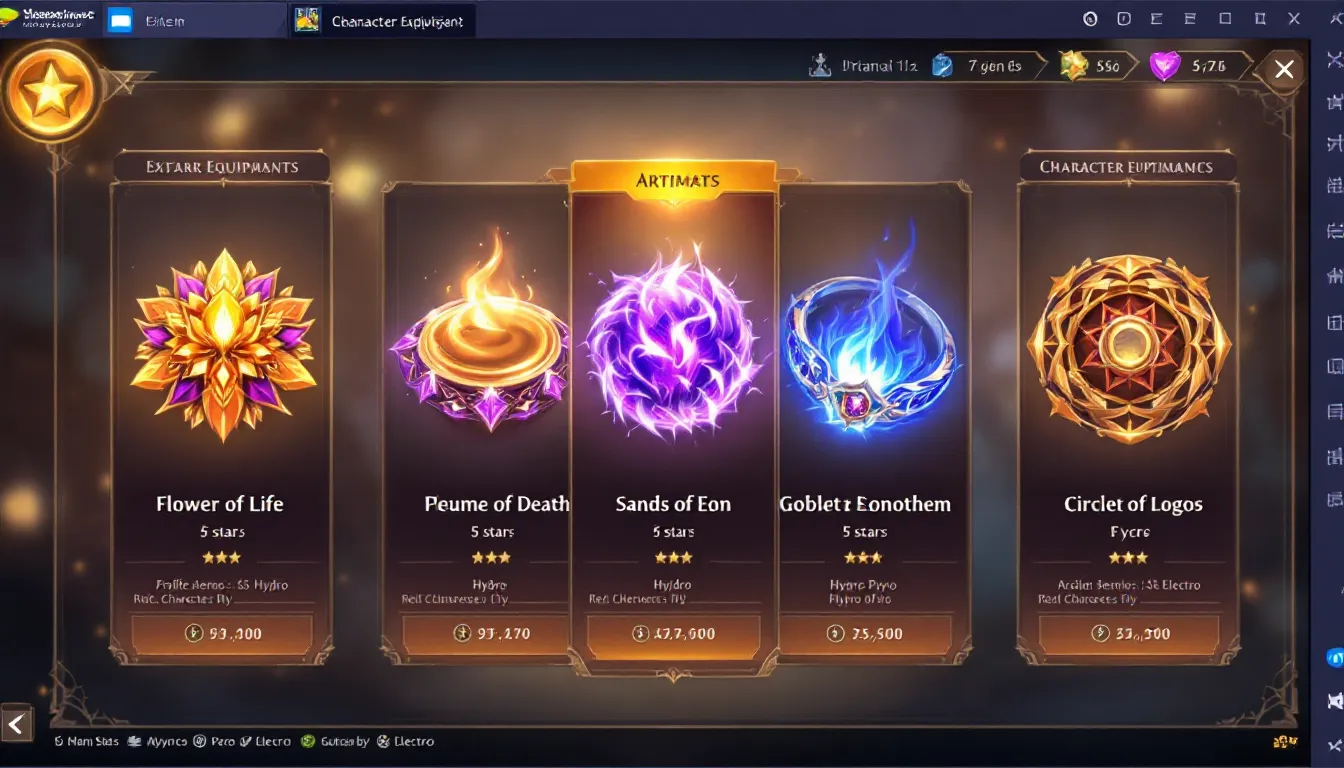
Genshin Impact examples of character building require understanding artifacts, weapons, and talent priorities. Proper builds dramatically increase character effectiveness.
Main DPS builds prioritize damage stats. A typical Hu Tao build uses four-piece Crimson Witch of Flames artifacts. Players seek HP% sands, Pyro damage goblets, and Crit damage circlets. Substats should include Crit rate, Crit damage, HP%, and Elemental Mastery. Staff of Homa serves as her best weapon, but Dragon’s Bane works well for budget builds.
Sub-DPS characters need different approaches. Xingqiu wants four-piece Emblem of Severed Fate for burst damage. Energy Recharge sands help him use his burst consistently. Sacrificial Sword gives him extra skill uses and energy particles.
Support builds focus on buffing teammates. Bennett needs high base attack weapons and enough Energy Recharge to burst off cooldown. His healing scales with HP, but teams usually want his attack buff more. A level 90 weapon matters more than perfect artifacts for Bennett.
These Genshin Impact examples show how different roles require different stat priorities. A common mistake involves building every character like a main DPS. Support characters often contribute more through their utility than personal damage.
Storytelling and Quest Examples
Genshin Impact examples of storytelling range from main quests to hidden world quests. The writing quality varies, but standout moments rival traditional single-player RPGs.
The Archon Quest through Inazuma provides strong examples. The Vision Hunt Decree storyline explores themes of ambition, loss, and resistance against oppression. Characters like Kazuha and Teppei add emotional weight. The confrontation with Raiden Shogun delivers satisfying spectacle.
World quests often hide the best Genshin Impact examples of storytelling. The Tsurumi Island quest chain involves a time loop and a ghost child. Players piece together the island’s tragic history over multiple days. The emotional payoff rewards patient players who read the dialogue.
Sumeru’s Archon Quest tackles heavier themes. The Samsara concept (repeating cycles) drives the plot. Characters question reality, memory, and sacrifice. The story explores what makes someone “real” through the character Nahida. These philosophical elements surprised players expecting lighter fare.
Character Story Quests flesh out individual backgrounds. Zhongli’s quests reveal ancient history. Raiden Shogun’s second quest shows her growth beyond the Archon Quest. Furina’s Story Quest delivers one of the most emotional Genshin Impact examples in recent updates.
Hangout Events offer lighter alternatives. These branching dialogue stories let players see different sides of characters. Multiple endings encourage replays.