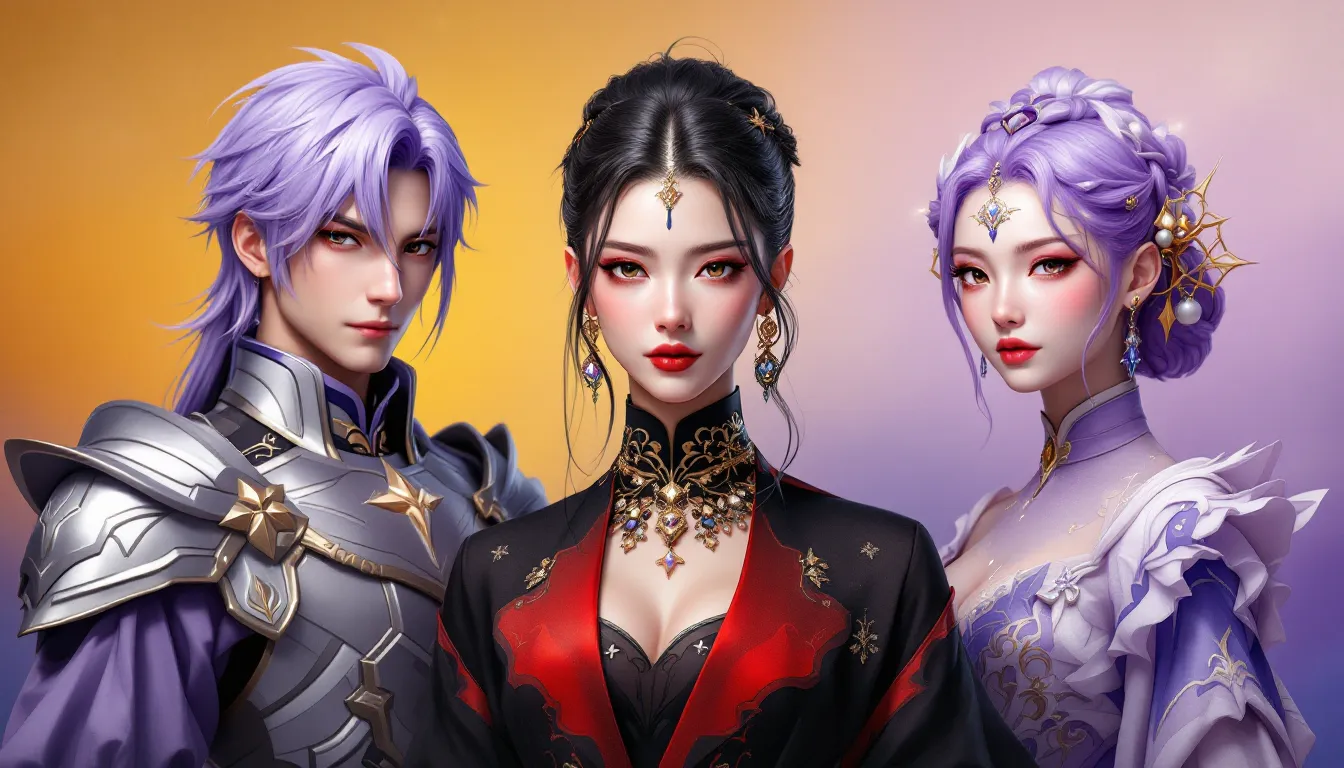
Genshin Impact’s roster has grown into one of the most visually striking collections in modern gaming, with character design becoming as much a draw as gameplay itself. Whether you’re here for the gacha pulls, the storytelling, or simply to appreciate HoYoverse’s artistic direction, the game’s attractive characters have become central to its appeal and community engagement. From the stoic elegance of Adepti to the mysterious intrigue of Fontaine’s finest, each character is crafted with meticulous attention to visual detail and personality. This guide breaks down the design philosophy behind these characters, highlights the most appealing figures across genders, explores how alternate outfits elevate their presence, and examines what makes certain characters resonate so deeply with players worldwide. If you’ve ever wondered why certain characters dominate fan art, merchandise, and community discussions, you’re about to find out.
Table of Contents
ToggleKey Takeaways
- Genshin Impact’s character design combines color theory, silhouette design, and cultural inspiration to create visually striking models that drive player engagement and spending behavior.
- Male characters like Zhongli, Alhaitham, and Neuvillette exemplify different appeal archetypes—from dignified elegance to intellectual charm to mysterious authority—proving that attractiveness encompasses multiple visual strategies.
- Female character designs such as Hu Tao, Yelan, and Ganyu showcase how personality integration, sophisticated color palettes, and thematic consistency create compelling appeal without relying on oversexualization.
- Alternate outfits in Genshin Impact serve as major releases with cinematic trailers, allowing players to explore fresh aesthetics while maintaining character identity and driving significant monetization opportunities.
- Fan art, community discussion, and creative content create a feedback loop where attractive character designs amplify player engagement, which directly influences HoYoverse’s development priorities, story focus, and character reruns.
- HoYoverse’s investment in cross-platform character model quality and detailed animations ensures that visual appeal remains consistent whether players use PC, mobile, or console platforms.
Understanding Genshin Impact’s Character Design Philosophy
How miHoYo Crafts Visually Appealing Characters
miHoYo’s approach to character design in Genshin Impact goes far beyond slapping attractive faces on digital models. Every character that arrives in Teyvat undergoes a deliberate creative process that combines color theory, silhouette design, cultural inspiration, and thematic consistency. The team considers how each character fits into their respective region, Mondstadt’s aesthetics differ vastly from Inazuma’s, and Fontaine’s designs reflect a completely different artistic language.
When a new 5-star character drops, you’re looking at months of design iteration. Hair flows are calculated to match personality: color palettes are chosen to make characters stand out in a crowded gacha roster. Take Neuvillette, for instance. His design incorporates soft lavenders and silvers with sharp, angular elements that communicate both refinement and underlying power. This isn’t accidental, it’s intentional visual storytelling.
The character models also benefit from HoYoverse’s investment in animation quality. Idle animations, attack sequences, and even walking cycles are designed to reinforce character personality. A timid character might shuffle nervously, while a confident swordmaster moves with deliberate precision. Players notice these details, and they contribute significantly to how attractive a character feels in motion.
Platform consistency matters too. Whether you’re playing on PC, mobile, or console, the character models maintain visual integrity. This cross-platform polish ensures that attractive character designs shine equally everywhere.
The Role of Aesthetics in Player Engagement
Aesthetics directly impact player retention and spending behavior in Genshin Impact. It’s no secret that many players decide whether to pull for a character based on visual appeal before considering gameplay viability. This isn’t shallow, it’s a legitimate part of the gaming experience, especially in a game designed around collecting and building teams around characters you enjoy.
The connection between attractive character design and engagement extends beyond initial pulls. Players who genuinely enjoy looking at their favorite characters are more likely to build them, showcase them in content, and create fan art. This cascades into community engagement, with popular characters generating more discussion, guides, and creative content. The ripple effect is undeniable: attractive characters fuel the engine that keeps communities active.
MiHoYo understands this dynamic intimately. Character reveal trailers are cinematic productions because first impressions matter enormously. A character’s initial reveal video can generate millions of views, determine pre-order revenue, and set the tone for their reception within the community. The company invests heavily in making sure the first glimpse of a new character is memorable and visually compelling.
This engagement loop also influences game development priorities. Characters with strong visual appeal tend to receive more story content, event appearances, and developmental focus because their popularity justifies those investments. The feedback loop between aesthetic design and gameplay expansion creates a self-reinforcing cycle of character prominence.
Top Male Characters Known For Their Appeal
Zhongli: The Adeptus With Unmatched Elegance
Zhongli stands as perhaps the most universally acclaimed character design in the entire game, and that’s not just about appearance. His visual presentation combines ancient Chinese aesthetic inspiration with a modern gacha sensibility that somehow avoids feeling dated even in 2026. The character wears flowing robes in deep gold and black, with jewelry and accessories that communicate wealth, age, and otherworldly status without screaming “look at me.”
What makes Zhongli’s design particularly effective is restraint. He’s handsome in a way that feels earned rather than exaggerated. The sharp facial features, the hair styled with traditional elements, the way his model carries himself with unmistakable authority, all of this combines to create a character who feels genuinely powerful before you ever see his kit. The design communicates his lore: he’s an ancient being who has walked Teyvat for millennia, and that gravitas translates into visual presence.
The appeal extends to his animations. Zhongli’s attacks flow with purposeful, measured precision. His idle stance radiates calm confidence. Even standing still, he captures attention through posture and presence rather than flashy movement. This design choice appeals to players seeking characters with dignified aesthetic rather than over-the-top theatricality.
Alhaitham: Intellectual Charm And Striking Looks
Alhaitham represents a different flavor of male character appeal, the intellectually attractive archetype. His design balances sharp, angular features with an aesthetic that communicates scholarly pursuit. The sage green color palette, the intricate clothing details, and the subtle jewelry create a character who feels distinctive within Genshin’s roster.
Alhaitham’s appeal lies partly in his distinctiveness. Not every male character needs to fit the same mold, and Alhaitham’s design language differs significantly from characters like Zhongli or Xiao. The scarring across his face adds character depth, literally. His eyes convey intelligence and calculation, which appeals to players who appreciate character design that tells you something about their personality through visual language alone.
The color blocking in his outfit creates visual interest without feeling cluttered. This is deliberate design choice: make the character memorable through distinctive color and silhouette rather than piling on accessories. His design translates well to fan art and merchandise precisely because the core visual identity is so clean and recognizable.
Neuvillette: Mysterious Authority And Refined Style
Released more recently, Neuvillette has rapidly ascended to prominence in community discussions about attractive male character design. His aesthetic borrows from Fontaine’s refined, almost aristocratic visual language while maintaining elements that suggest something far more otherworldly.
Neuvillette’s design works because it communicates mystery and authority simultaneously. The pale lavender and silver color scheme creates an ethereal quality, while the sharp tailoring of his garments suggests precise, controlled power. His hairstyle, long, flowing, with distinct color gradients, becomes an iconic visual element that makes him instantly recognizable even in crowded screenshots.
The character’s design also incorporates subtlety in ways that reward close examination. Small details in his jewelry, the way his clothing drapes, and the particular styling choices all reinforce his role in the story without feeling heavy-handed. This sophisticated approach appeals to players who appreciate subtlety and layered design philosophy. Unlike some characters designed for immediate visual impact, Neuvillette’s appeal deepens the more players interact with him.
Top Female Characters Known For Their Appeal
Hu Tao: Charm Wrapped In Mystery
Hu Tao demonstrates how personality and design work together to create undeniable appeal. Her character design incorporates traditional Chinese elements, specifically inspired by funeral directors and Daoist practitioners, while maintaining a modern, appealing aesthetic. The deep reds and blacks of her outfit, combined with her distinctive hairstyle, make her visually memorable without veering into obvious sexualization.
What truly elevates Hu Tao’s appeal is the interplay between her design and her personality. She’s chaotic, charming, and playfully mischievous, qualities that her animations and idle sequences communicate brilliantly. Her design doesn’t try to be serious or imposing: instead, it embraces her character’s lighter, more spirited nature. This tonal alignment between visual design and personality creates a cohesive, compelling character that players want to spend time with.
Her design has also proven remarkably versatile. The character’s base aesthetic translates well to alternate costumes and maintains distinctive appeal across different styling choices. In the gacha market, this kind of design flexibility is valuable, it allows for costume variations that feel fresh while remaining unmistakably Hu Tao.
Yelan: Elegance And Intrigue Combined
Yelan represents a different approach to female character design: the sophisticated, mysterious operative archetype. Her aesthetic combines elements of traditional Chinese clothing with modern spy-thriller styling, sleek, functional, and undeniably cool. The deep red and black color scheme creates visual distinction while the strategic placement of fabric and mesh creates visual interest without feeling gratuitous.
Yelan’s appeal stems partly from her design’s maturity. She doesn’t rely on exaggeration or oversaturation of visual elements. Instead, the design communicates through elegance: clean lines, purposeful color choices, and a silhouette that reads clearly even in gameplay footage. The character’s animations reinforce this sense of controlled power and confidence.
The strategic use of translucent elements in her design, particularly around her lower body, demonstrates restraint while maintaining visual appeal. This is intelligent design: acknowledging attractiveness while prioritizing design sophistication. Players respond to characters who feel well-thought-out rather than designed purely for fan service, and Yelan exemplifies that philosophy.
Ganyu: Beauty With Substance
Ganyu occupies a unique position in character design: she’s visually appealing while feeling distinctly non-human in ways that reinforce her Adeptus heritage. The qilin horns, the distinctive ice-blue color palette, and the flowing elements of her design combine to create something that feels both beautiful and alien, in the best possible way.
Ganyu’s design works because it prioritizes her character’s otherworldly nature. The flowing fabrics, the color gradient from whites to blues, and the particular styling choices all communicate her connection to nature and the divine. This thematic consistency makes the character feel purposeful rather than random. Top Genshin Impact Characters often include Ganyu precisely because her design translates so effectively into gameplay and visual presence.
The character’s appeal also benefits from a particular sweetness in her animations and idle sequences. Unlike some designs that emphasize seduction or aggression, Ganyu’s visual language communicates grace, kindness, and quiet strength. This appeals to players seeking characters with gentle, serene appeal rather than bold, confrontational aesthetics. Her design proves that attractiveness in character design encompasses far more than one visual strategy.
Character Outfits And Alternate Skins That Enhance Appeal
Costume Design Trends In Genshin Impact
Alternate outfits in Genshin Impact aren’t simple reskins, they’re full costume redesigns that often tell stories, explore character concepts, or simply provide fresh visual takes on established designs. The costume design philosophy mirrors the base character design approach: aesthetic intentionality, cultural inspiration awareness, and thematic coherence.
Recent costume trends show HoYoverse experimenting with different styling approaches. Summer outfits maintain appeal while reducing layer count. Fantasy-inspired costumes reimagine characters in completely different aesthetic contexts. Year-round formal wear provides elegant alternatives that appeal to players seeking more conservative styling. The variety ensures that players can find costume options that align with their aesthetic preferences.
Costume design also represents a significant monetization avenue, which drives investment in making these options genuinely appealing. Unlike some games where costumes feel like afterthoughts, Genshin Impact treats alternate outfits as major releases deserving of cinematic trailers and promotional effort. This investment translates into higher-quality designs that often justify their premium pricing.
The technical implementation also matters. Costumes must integrate seamlessly with existing animations while sometimes introducing new animations for idle sequences or attack patterns. This technical consideration sometimes limits the scope of costume design, but HoYoverse has generally managed to deliver costumes that feel fresh while maintaining animation compatibility.
Most Sought-After Outfit Cosmetics
Certain character costumes have achieved legendary status within the community, generating discussion years after release. Hu Tao’s “Farewell, Radiant Bridegroom” outfit transformed her aesthetic entirely, providing a formal-wear alternative that completely reimagined the character without losing her essential identity. The costume proved so popular that it became one of the benchmarks against which future costumes are measured.
Yelan’s summer outfit represents a different design philosophy: maintaining thematic consistency while adapting to seasonal context. The costume manages to feel fresh and appealing while retaining the character’s sophisticated aesthetic. This balance, being visually new while remaining recognizably Yelan, is precisely what separates successful costumes from forgettable ones.
Ganyu’s alternate costumes showcase how different visual languages can recontextualize the same character. Mountain-inspired or celestial-themed costumes explore aspects of her Adeptus heritage while providing completely fresh aesthetics. The variety appeals to players with different taste preferences, all centered on the same character.
Costume popularity isn’t random: it correlates strongly with how well the design maintains character identity while providing genuine novelty. Costumes that feel like completely different characters often underperform, while designs that acknowledge the base character’s essence while exploring new visual territory tend to succeed. Best Genshin Impact Characters, Teams, and Builds in 2025 often reference popular costume choices because outfit appeal influences which characters players actively use and showcase.
The competitive costume market also drives creative ambition. Limited-time costume releases create urgency and discussion, ensuring that costume releases receive community attention comparable to new character debuts. This encourages HoYoverse to invest in increasingly sophisticated costume design.
The Community’s Role In Character Popularity
Fan Art And Community Appreciation
The relationship between attractive character design and fan art is undeniable. Sites like Nexus Mods host thousands of Genshin Impact mods, many focused on character appearance customization, while platforms like Twitter, Pixiv, and Reddit generate millions of fan art posts annually. Characters with strong visual appeal naturally attract more creative attention, which amplifies their presence within the community.
Fan art serves a crucial function: it extends the reach of popular characters, creates additional reasons for players to think about and discuss characters, and generally elevates perceived value. A character with substantial fan art presence feels more important and beloved within the community consciousness, even for players who might not personally pull for them. This amplification effect means that attractive character design creates compounding returns in community engagement.
The fan art landscape also influences player perception of characters’ attractiveness. When talented artists create stunning interpretations of characters, they often emphasize certain appealing qualities, facial features, clothing details, pose and body language. Over time, these artistic interpretations can influence how players perceive the official character models. The feedback loop between game design and fan creativity creates a unified vision of character appeal that transcends any single medium.
Community appreciation extends beyond visual art. Fan fiction, cosplay, streaming content, and casual discussion all contribute to character prominence. A character’s appeal isn’t solely determined by base game aesthetics, community response and creative output play enormous roles in determining which characters achieve lasting cultural presence within the Genshin Impact ecosystem.
How Popularity Influences Game Development
MiHoYo monitors community sentiment and fan engagement with obsessive attention. Characters that generate significant fan art, discussion, and creative content receive more development attention, story prominence, and event appearances. This creates a self-fulfilling prophecy: attractive character design leads to community engagement, which leads to increased game development resources, which leads to greater prominence and attractiveness in player perception.
Popular characters receive story focus. Characters with strong visual appeal and community engagement are more likely to appear in limited-time events, archon quests, and character-specific story chapters. This visibility further increases their prominence and provides additional reasons for players to appreciate their design and personality. A character like Zhongli doesn’t just appear in story content, he’s central to major narrative moments, which reinforces his cultural importance within the game.
Character reruns are also influenced by popularity metrics. Popular characters receive more frequent banner reruns, giving new players and players who missed initial releases additional chances to pull. This market-driven approach makes sense from a business perspective while also rewarding characters with strong community support. Recent guides like How to Play Genshin Impact: A Beginner’s Guide reflect this phenomenon by highlighting popular characters prominently.
Besides, community preference influences buffing decisions. While balance patches are determined primarily by gameplay considerations, characters with strong community affection receive careful consideration before nerfs. Conversely, beloved characters sometimes receive subtle buffs or mechanical adjustments that enhance their competitive viability. The game development process isn’t purely data-driven, community sentiment and character popularity play genuine roles in shaping balance decisions.
Longevity and design philosophy also shift based on community response. Early character design decisions that generated overwhelming positive response inform future design choices. If players universally praise a particular color palette approach, animation style, or thematic direction, you’ll see that influence ripple through subsequent character releases. This creates a virtuous cycle where successful design attracts engagement, which ensures that successful design philosophy receives continued investment.
Community requests and speculation also influence development. While HoYoverse certainly doesn’t carry out every community suggestion, the volume of discussion around character design, outfit requests, and visual preferences clearly informs what the company prioritizes for future releases. This collaborative relationship between developer and community shapes the game’s visual direction over time. External gaming coverage, including sources like Siliconera and Twinfinite, often discuss these community dynamics and their influence on game development priorities.
Conclusion
Genshin Impact’s attractiveness as a gaming experience extends far beyond any single element, it’s a synthesis of intentional character design philosophy, sophisticated visual execution, community engagement, and an understanding of what makes characters resonate with players on visual and emotional levels. The characters discussed here represent different approaches to visual appeal, proving that attractiveness in character design encompasses multiple strategies and visual languages.
The game’s design philosophy recognizes that characters who engage players visually create stronger communities, generate more engagement, and eventually drive better long-term retention. This isn’t cynical, it’s a genuine recognition that players spend hundreds of hours with these characters, and characters they find appealing deserve investment and development attention.
Looking forward into 2026 and beyond, HoYoverse will continue refining its character design approach, experimenting with new aesthetic directions, and responding to community preferences. The relationship between beautiful character design and player engagement will remain a central pillar of Genshin Impact’s appeal, and understanding that relationship helps explain why certain characters achieve iconic status while others fade into obscurity.
Whether you’re pulled in by the elegant dignity of an Adeptus, the intellectual charm of a scholar, or the spirited personality of a protagonist, Genshin Impact’s character roster demonstrates that visual appeal, when backed by thoughtful design and genuine character development, creates experiences that linger long after you close the game.