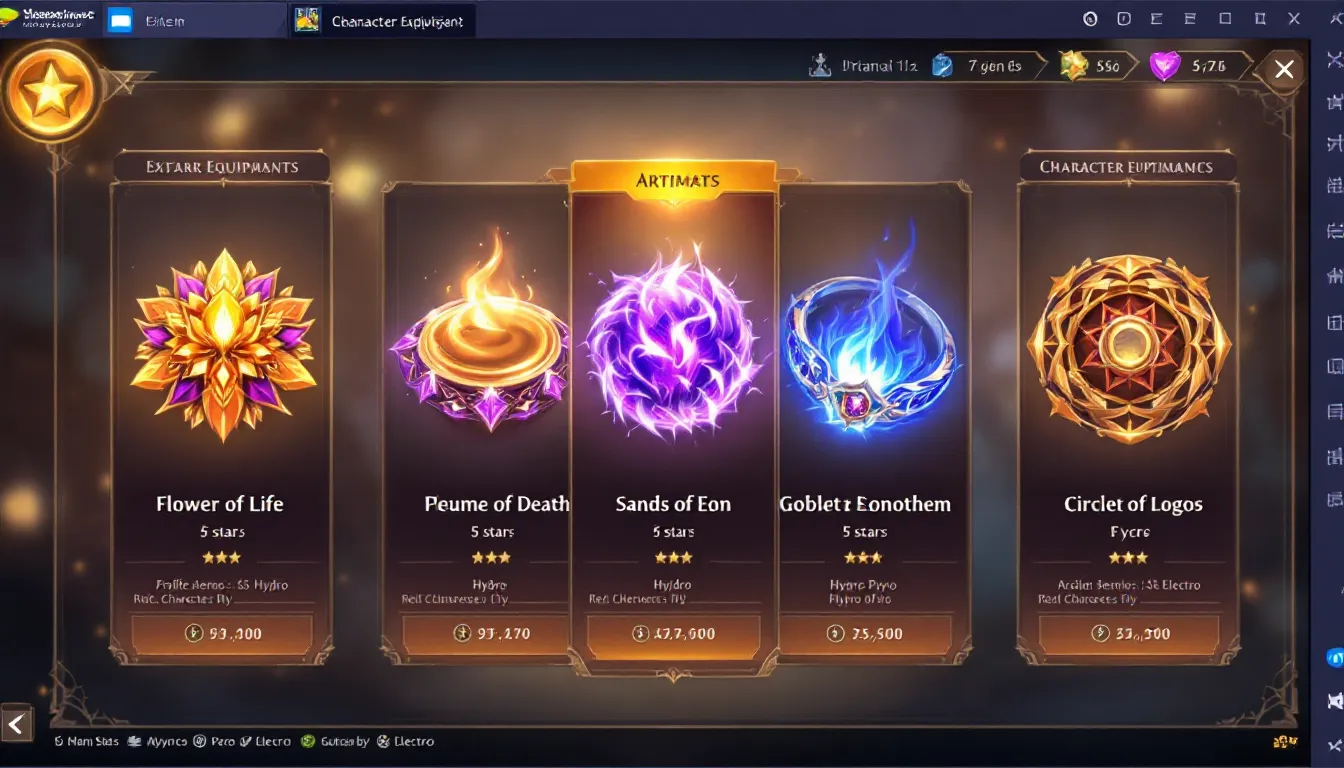
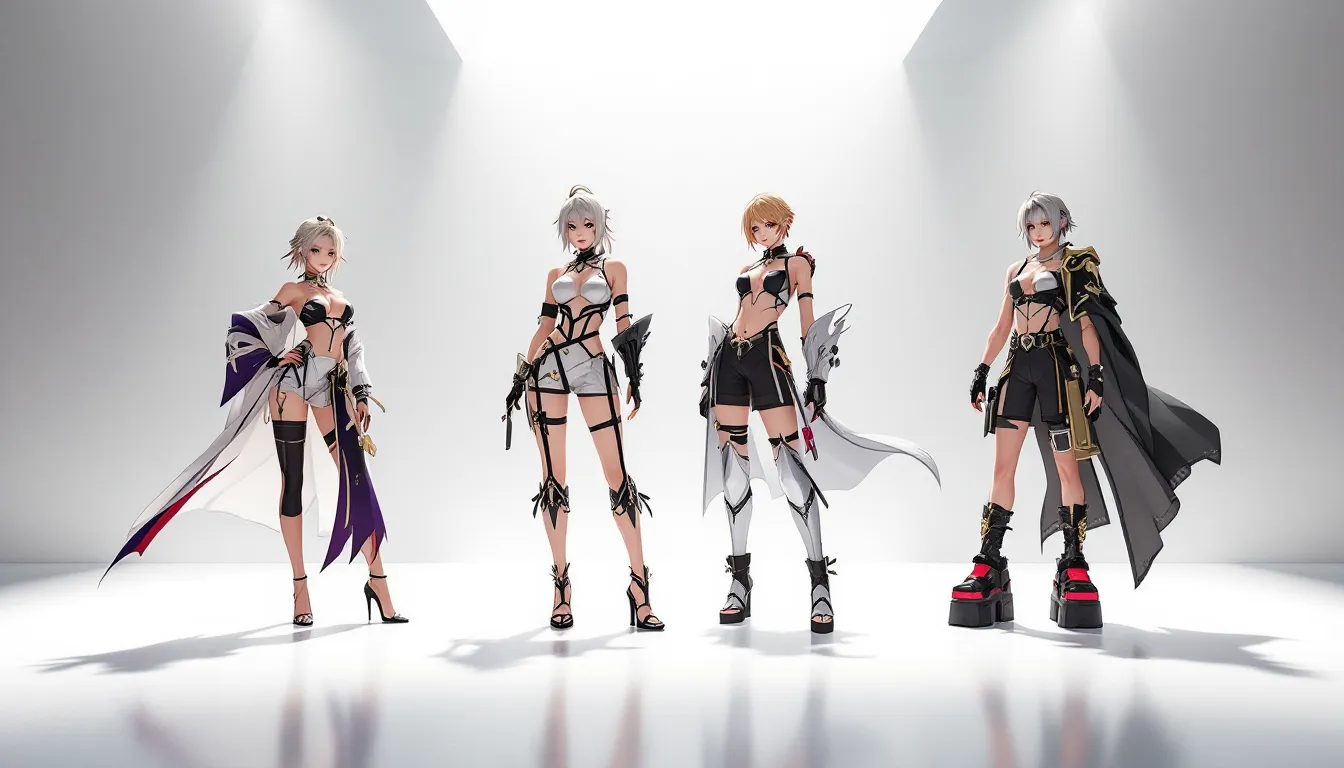
Genshin Impact’s cosmetic system has evolved dramatically since its 2020 launch. While many players focus on gameplay mechanics and elemental reactions, the visual presentation of characters, including footwear and outfit details, plays a surprising role in how players experience Teyvat. Whether you’re hunting for that perfect skin to match your team aesthetic or simply want to understand how Genshin Impact feet and footwear designs contribute to each character’s identity, this guide covers everything from obtaining skins to styling your entire squad. The game now boasts dozens of alternate outfits, each with meticulous attention to detail that extends all the way down to boots, shoes, and character silhouettes. Understanding these cosmetics isn’t just about vanity: it’s about deepening your connection to the characters you invest time and resources into.
Table of Contents
ToggleKey Takeaways
- Genshin Impact character skins cost around $12 USD (1,680 Genesis Crystals) and provide purely cosmetic changes with no gameplay advantage, making them safe, guaranteed purchases without RNG mechanics.
- Footwear design in Genshin Impact skins receives meticulous attention, from formal heels that enhance character elegance to combat boots with armor plating that reinforce combat readiness and character identity.
- Every character skin ever released in Genshin Impact remains available in the permanent shop after its limited 3-week promotional window, ensuring players never lose access to desired cosmetics.
- Creating visually cohesive teams using coordinated skin aesthetics enhances player enjoyment and immersion, with seasonal themes, regional styles, and outfit categories driving popular cosmetic combinations.
- Genshin Impact feet and overall character visual design reflect HoYoverse’s commitment to ethical cosmetic monetization—investing in quality detail work while maintaining fair pricing and preserving free-to-play accessibility.
Understanding Cosmetics and Character Customization in Genshin Impact
How Cosmetics Work in Genshin Impact
Cosmetics in Genshin Impact function as permanent, character-specific purchases that only affect visual appearance. Unlike battle pass weapons or artifact RNG, skins provide zero gameplay advantage, they’re purely for personalization. When you purchase an alternate outfit, you unlock it for that character across all accounts on your HoYoverse profile (if you’re logged in). The skin appears in your character menu, and you can swap between the default appearance and purchased outfits at any time.
Genshin Impact’s cosmetic system uses a straightforward currency model: Primogems (premium currency earned through Spiral Abyss, events, and battle pass) or direct Genesis Crystals (purchased with real money). Most character skins cost 1,680 Genesis Crystals when they first release, which breaks down to roughly $12 USD. After their limited-time banner window (typically 3 weeks), skins enter the permanent shop rotation, though new releases maintain rotation priority.
One important detail: unlike some gacha games, Genshin Impact skins are not gacha. You know exactly what you’re buying, and the purchase is guaranteed. There’s no RNG, no battle pass grind requirement, and no exclusivity lock that prevents future purchases.
Character Skins and Their Visual Details
Character skins in Genshin Impact go far beyond simple recolors. HoYoverse invests significant effort into redesigning character models, animations, voice lines, and idle poses. A skin change can alter how a character walks, attacks, and interacts with the world. More importantly for this discussion, footwear designs receive careful attention.
Each skin reflects a specific aesthetic direction, whether that’s a formal ball gown, beachwear, maid outfit, or traditional costume. The feet and legs are often the first visual anchor, establishing whether a character fits a fantasy setting (boots and armor), casual modern wear (sneakers or sandals), or thematic cultural outfits (traditional Chinese robes with matching footwear). A character like Barbara in her wedding dress skin has delicate heeled shoes that reinforce the formal aesthetic, while her default outfit features simpler, more practical footwear suited to her role as a deaconess.
The detail level extends to animation as well. When a character runs, jumps, or performs their charged attack, their footwear moves realistically. Some skins include visible dust or environmental interaction, a character in combat boots creates a different visual impact than one in ballet-style shoes, even with identical attack animations beneath the surface.
Popular Character Outfits and Footwear Aesthetics
Elegant and Formal Footwear Designs
Formal skins in Genshin Impact typically feature polished, refined footwear that emphasizes grace and sophistication. Barbara’s Deaconess of Flowers skin introduced heeled pumps with intricate detailing, a departure from her default barefoot-adjacent design. The heels elevate her posture in idle animations and give her a more mature presence during combat.
Jean’s Sea Breeze Dandelion skin brought a sleek, vacation-inspired outfit with comfortable but elegant flat sandals. The design choice reflects the skin’s beach resort theme while maintaining Jean’s commanding presence. Meanwhile, Ganyu’s Convenience Store outfit leans into modern casual wear with sneaker-style shoes, blending formal business casual with contemporary footwear trends.
Formal skins often prioritize matching the footwear to the overall outfit palette. If a skin features gold accents or jewelry, the shoes frequently incorporate metallic details. This cohesive design language makes these skins feel intentional rather than random cosmetic additions.
Combat-Focused Boot and Shoe Styles
Combat-oriented skins emphasize durability and mobility through their footwear choices. Eula’s Moonfang skin features combat boots with reinforced soles and metallic accents, conveying warrior readiness. These designs often include visible armor plating on the ankles or shin guards, signaling that the character is prepared for battle.
Fischl’s Midsummer Night’s Dream skin showcases stylized combat heels with sharp, angular designs that match her electro vision and spear weapon. The footwear reinforces her identity as a game-changing support character. Similarly, Raiden Shogun’s various skins lean into heavy boot designs with clear armor elements, befitting her archon status and combat capabilities.
Combat boots in Genshin Impact often feature:
- Reinforced ankle support (visible plating or wrapping)
- Thicker soles suggesting durability
- Color coordination with weapon or vision colors
- Metallic accents (buckles, armor, or decorative plating)
- Asymmetrical designs that create visual interest during idle animations
Fantasy and Thematic Footwear Options
Thematic skins pull from specific cultural or fantasy traditions, and footwear becomes crucial to authenticity. Fischl’s alternate designs sometimes incorporate gothic Lolita elements, complete with platform shoes or Mary Janes that ground the costume in a specific aesthetic. Hu Tao’s various skins reference traditional Chinese funeral rites and mythology, often featuring ornate or minimalist foot coverings that respect cultural design principles.
Venti’s skins shift his footwear based on the theme, bard outfits might include soft leather boots, while casual modern skins show sneakers or sandals. The footwear communicates which version of Venti you’re encountering: the wandering bard, the casual university student, or something entirely new.
Fantasy-themed skins particularly benefit from footwear attention because players already expect visual richness. A character in full fantasy regalia with basic shoes feels incomplete. Conversely, a contemporary outfit with ornate boots can feel jarring if the footwear doesn’t match the intended aesthetic.
Character Skin Releases and Foot Fashion Trends
Recent Skin Releases and Their Design Philosophy
Throughout 2025 and into 2026, HoYoverse’s design philosophy for character skins has emphasized seasonal relevance and cultural representation. Summer skins feature lighter footwear, sandals, flip-flops, or minimal shoe coverage. Winter and holiday skins incorporate boots with visible insulation or festive patterns. This seasonal rotation isn’t random: it reflects both real-world fashion cycles and Teyvat’s in-game seasons.
Recent releases have shown increased focus on modern, everyday aesthetics. Characters receive skins depicting them in casual streetwear, swimwear, and sleepwear. These skins often feature realistic contemporary footwear: sneakers, loafers, or slip-on shoes rather than fantasy boots. The visual contrast between modern casual footwear and fantasy character faces creates an appealing clash that appeals to players seeking variety.
HoYoverse has also expanded cultural representation in skin design. Characters receive outfits reflecting their regional origins within Teyvat, with footwear that respects authentic cultural design. This thoughtful approach extends footwear choices beyond generic “cool boots” into specific cultural traditions. A character receiving a Fontaine-inspired skin might have footwear reflecting French Renaissance aesthetics, while Sumeru skins incorporate regional design elements.
Community Favorites and Fashion Preferences
The Genshin Impact community has developed clear preferences about footwear and outfit aesthetics. Data from community polls and skin sales trends reveals several patterns. Players overwhelmingly favor skins that feel like natural extensions of a character’s personality rather than complete departures. A formal dress skin sells better if the character’s default personality already suggests elegance, rather than forcing a casual character into formal wear.
Footwear specifically drives purchasing decisions more than players might initially admit. Reddit threads and Discord discussions frequently highlight boot designs, heel heights, and color coordination as reasons for purchasing skins. A skin with poorly chosen footwear, mismatched colors, awkward proportions, or aesthetic dissonance, receives significantly more criticism than other outfit elements.
Community-favorite skins often share footwear characteristics: visible detail work, color consistency with the broader outfit, and animation impact. When a character’s running animation clearly shows off their boots or shoes, the skin feels more premium. Conversely, skins where footwear vanishes into dark backgrounds or blends indistinguishably with legs perform less well in community sentiment.
How to Obtain and Equip Character Skins
In-Game Currency and Purchase Methods
Obtaining character skins requires either Genesis Crystals (purchased with real money) or earned Primogems. Genesis Crystals cost money directly: $0.99 for 60 crystals up to $99.99 for 6,480 crystals. Most skins cost 1,680 Genesis Crystals, meaning you need to spend approximately $12 USD per skin at standard pricing.
Primogem purchases require significantly more grinding. Spiral Abyss (the endgame challenge dungeon) rewards 600 Primogems monthly for full clears across both phases. Events distribute 300-600 Primogems depending on complexity. Daily commissions grant 60 Primogems per day (1,800 monthly). This means saving a full skin’s worth of Primogems (1,680) requires roughly 2-3 months of moderate activity, not including Abyss completion.
HoYoverse provides alternative methods: the Paimon’s Bargains shop grants 5 free Primogems monthly through starglitter conversion (Paimon’s Note requires constellation materials). Also, completing story quests, world quests, and exploration milestones grants one-time Primogem bonuses. Players with older accounts have already claimed these bonuses, but newer players benefit significantly.
To equip a purchased skin, navigate to your character menu, select the character, and choose “Change Appearance.” You’ll see their default outfit and any purchased skins. Select your desired skin, confirm, and it applies immediately. You can swap skins unlimited times at no cost, there’s no cooldown or penalty. This means experimenting with different team aesthetics requires no additional investment beyond the initial purchase.
Limited-Time Skin Events and Availability
When a new character skin releases, it enters a limited-time shop rotation lasting roughly 3 weeks. During this window, the skin appears prominently in the in-game shop with discounted pricing or promotional emphasis. After this window closes, the skin enters permanent shop rotation, meaning you can purchase it anytime, but it no longer has promotional priority.
Importantly, no skins become permanently unavailable in Genshin Impact. Unlike some gacha games with exclusive cosmetics tied to limited banners, every skin ever released can be purchased again. But, limited-time release windows create urgency: players who miss a skin’s release must wait for its shop rotation, and they may not know exactly when it will return.
Special event skins occasionally release through event participation rather than direct purchase. These skins are typically free or require minimal in-game currency earned through event challenges. For example, certain holiday-themed skins released through seasonal events and could be earned by completing time-limited domains or challenges. These free skins are permanent additions to the game, they don’t disappear even after events end, though players must participate during the event window to obtain them.
Checking the HoYoverse official portal or in-game announcements remains essential for tracking skin releases. Players can set reminders for favorite characters’ upcoming skins to ensure they don’t miss purchase windows. Also, the community actively discusses upcoming skin releases based on data mining, though HoYoverse occasionally surprises players with unannounced cosmetics.
Optimizing Your Character’s Visual Appearance
Matching Skin Aesthetics With Your Team Composition
While gameplay builds focus on elemental reactions, artifact stats, and weapon synergies, visual cohesion matters for player enjoyment. Creating a team with unified aesthetics, where all four characters share a thematic direction, enhances the immersion and satisfaction of exploration and combat. A formal-wear themed team (Barbara’s Deaconess skin, Jean in casual business attire, Fischl in gothic wear, and Diluc in evening wear) creates visual harmony that casual players specifically seek out.
Thematic teams often revolve around seasons, regions, or outfit categories. Summer exploration teams feature characters in swimwear or casual beachwear. Winter dungeon delving uses characters in heavy coats and boots. Fontaine-themed teams employ skins reflecting that region’s aesthetic. This visual coordination requires planning, you need to identify which skins match your preferred aesthetic before purchasing.
Community resources and tier lists help coordinate these visual teams. Players share screenshots of their preferred team compositions using specific skin combinations, creating inspiration galleries. Subreddits like r/Genshin_Impact feature weekly “Show Your Team” threads where players display coordinated team aesthetics. These communities provide practical insight into which skin combinations feel harmonious.
One practical consideration: character weapon choices also contribute to visual cohesion. A character in formal wear wielding a claymore covered in spikes creates visual disconnect. Conversely, a character in casual streetwear with a katana weapon creates intentional visual interest. Matching skin aesthetic to weapon appearance deepens the overall presentation.
Photography and Showcase Tips for Cosmetics
Genshin Impact’s photo mode allows capturing characters in various lighting and environmental contexts. Showcasing skins effectively requires understanding which environments highlight specific footwear and costume details. Bright, open areas like Liyue’s docks or Inazuma’s beaches provide ideal lighting for seeing footwear clearly. Dark dungeons or night-time shots obscure foot details but can create atmospheric mood.
Standing still in photo mode lets you examine footwear from multiple angles. Rotating your character view to profile allows clearly seeing boot height, heel design, and sole details. Zooming close reveals texture work and color coordination that distant views miss. Many players spend 10-15 minutes per skin in photo mode to fully appreciate the design before committing to a purchase.
For content creators and community contributors, several photography tips optimize cosmetic showcase:
- Use varied lighting: Golden hour (sunset/sunrise) flatters most skins and provides natural color temperature
- Include running animations: Capture characters in motion to see how footwear interacts with movement
- Vary distances: Show full-body shots, mid-range poses, and close-ups of feet and leg details
- Use story or exploration locations: Thematically matching environments reinforce the skin’s design intent
- Capture idle poses: Characters have multiple idle animations that showcase skins differently
Many players make purchasing decisions based on high-quality community screenshots showing skins from multiple angles. A poorly lit screenshot where footwear appears muddy or unclear may convince fewer players to purchase than a well-composed shot highlighting the designer’s work. This creates a secondary value: detailed community showcases help drive skin sales by helping uncertain players visualize the cosmetics clearly.
Future Cosmetic Updates and What to Expect
Looking forward, HoYoverse has indicated continued expansion of cosmetic offerings alongside new character releases. Historically, every new 5-star character receives at least one alternate skin within 12 months of release. As of 2026, the roster has expanded significantly, meaning re-runs of popular characters will increasingly come with new cosmetics rather than existing skins cycling back.
Design trends suggest increasing sophistication in footwear and detail work. As rendering technology improves on mobile, console, and PC platforms, developers can invest more intricately in small visual elements. Footwear textures, material variety (leather vs. fabric vs. metal), and animation polish will likely become more noticeable and varied.
Community feedback has driven some design decisions. Popular cosmetic style requests, like modern casual wear, cultural-inspired outfits, and fantasy variants, directly influence which skin concepts HoYoverse develops. Players who engage with cosmetic feedback threads on official forums and social media effectively shape the game’s future visual direction.
The gacha game market increasingly recognizes cosmetics as a sustainable revenue model without gameplay impact. This suggests HoYoverse will continue prioritizing cosmetic development and quality. The company has already demonstrated commitment to this: regular skin releases, free cosmetics through events, and continual rebalancing of old skins’ availability in the permanent shop keep the cosmetic system fresh and accessible to both spenders and free-to-play players.
One area worth watching: cross-game cosmetics. HoYoverse continues exploring interconnections between Genshin Impact and other titles like Honkai: Star Rail. While direct cosmetic sharing remains limited, thematic collaboration skins or cosmetic inspiration drawn from other titles could emerge. This would expand cosmetic creativity and give players additional reasons to engage with the broader HoYoverse ecosystem.
Speculation exists around seasonal cosmetic passes or cosmetic battle pass integration, similar to systems in other gacha titles. But, HoYoverse has historically avoided monetizing cosmetics through grinding, skins remain direct purchases with no time-lock mechanics. This philosophy likely continues, preserving the current cosmetic purchase model while potentially adding free event cosmetics and battle pass-exclusive variants.
Conclusion
Genshin Impact’s cosmetic system, particularly the thoughtful attention to footwear design and character skins, represents a maturing approach to free-to-play monetization. Rather than forcing cosmetics through gacha mechanics or creating gameplay advantages tied to appearance, HoYoverse lets players freely customize their favorite characters with guaranteed, purchasable skins. The detail invested in Genshin Impact feet and footwear across dozens of skins demonstrates the design philosophy: every visual element contributes to immersion and character identity.
Whether you’re planning a coordinated team aesthetic, waiting for your favorite character’s next skin release, or simply appreciating the artistry of character design, understanding how cosmetics work and which skins match your preferences enhances your experience. The combination of excellent design, reasonable pricing, and no gameplay impact makes Genshin Impact’s cosmetic system a model for how live-service games can monetize cosmetics ethically while maintaining player goodwill. As development continues into 2026 and beyond, expect cosmetic quality and variety to match, or exceed, the current standard, ensuring that Teyvat remains a visually stunning world worth exploring with carefully coordinated, beautifully designed characters.